Song Meaning
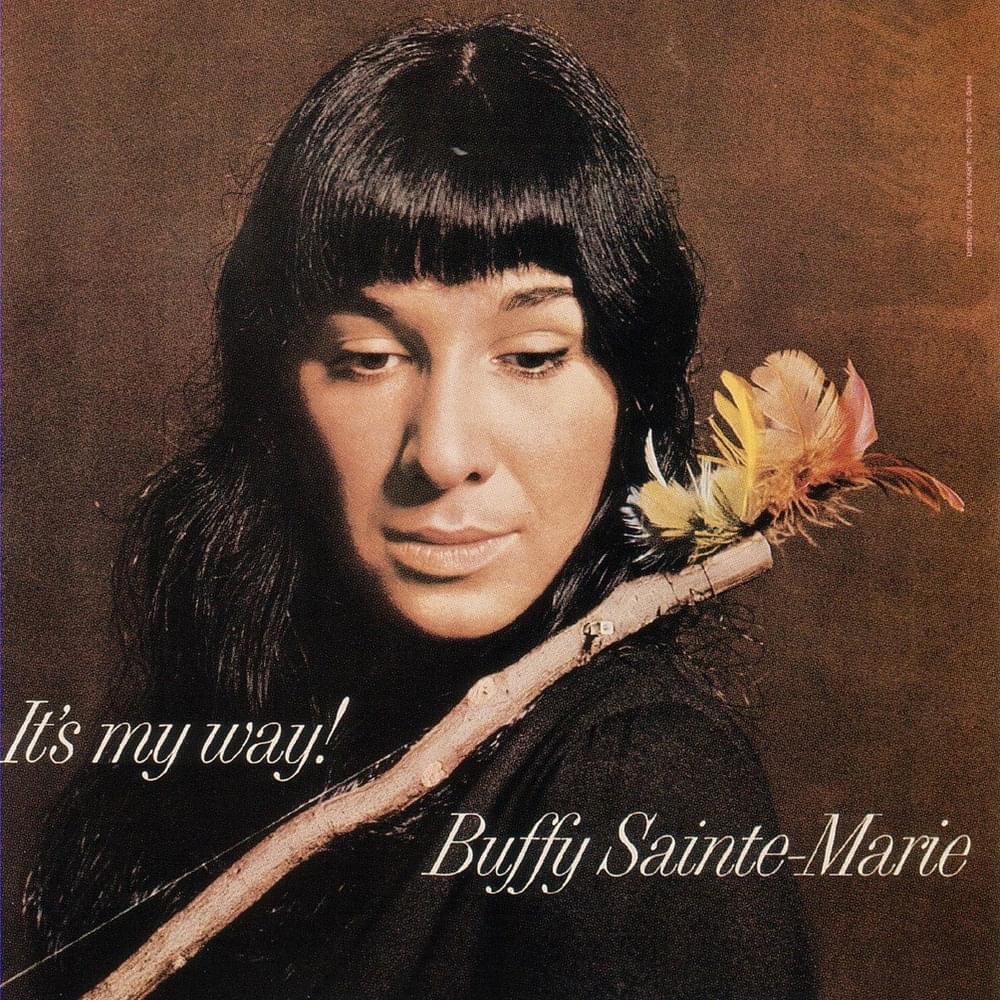
Buffy Sainte-Marie's rendition of "The Old Man's Lament" isn't just a folk song; it's a stark, emotionally resonant portrait of betrayal and societal expectation filtered through the weary eyes of a cuckolded husband. The seemingly simple melody belies a deep well of pain, capturing the psychological toll of infidelity in a patriarchal society. He's trapped, not only by his wife's actions, but by the rigid social norms that demand he raise another man's child as his own, preserving the illusion of family and honor above his own well-being. The 'bright summer's evening' that begins the song quickly darkens as the old man's lament unfolds, revealing the hollowness beneath the surface of domesticity.
The lyrics paint a vivid picture of a man robbed of his agency. He's left 'rocking the cradle,' a symbol of nurturing and fatherhood, yet the child is 'none of [his] own.' This central irony cuts deep, highlighting the performative nature of his role. He's not a father, but an actor playing one, forced to maintain a charade while his wife indulges in a life of 'ball[s] or part[ies].' The child's innocent affection – 'he calls me his daddy' – only exacerbates the old man's anguish, underscoring the profound deception at play. Sainte-Marie's interpretation amplifies the song's inherent sadness, her voice carrying the weight of generations of men silenced by similar circumstances.
Ultimately, "The Old Man's Lament" functions as a cautionary tale, a warning to 'young men that's inclined to get married' to 'let the women alone.' This advice, though seemingly misogynistic on the surface, speaks to a deeper societal anxiety about male control and the perceived threat of female infidelity. The song's meaning isn't simply about a man's personal tragedy; it's about the power dynamics within marriage and the devastating consequences when those dynamics are disrupted. It's a raw, unflinching look at the psychological damage inflicted by betrayal and the suffocating pressure of societal expectations, making it a timeless and deeply affecting piece of folk music. The song's continued relevance lies in its exploration of these fundamental human experiences, resonating with anyone who has felt trapped by circumstance or betrayed by those they trusted.
 View Artist