Song Meaning
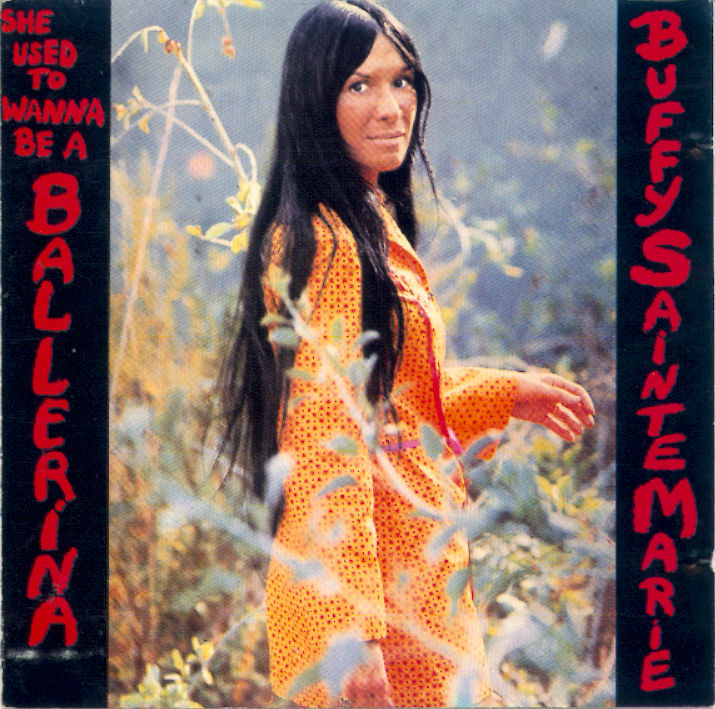
Buffy Sainte-Marie's "She Used to Wanna Be a Ballerina" isn't just a wistful glance backward; it's a potent meditation on the evolution of dreams and the messy grace of finding fulfillment outside prescribed paths. The opening stanzas paint a vivid portrait of childhood aspiration: a girl lost in the intoxicating fantasy of ballet, transforming herself into a 'paper swan' and a 'perfectly Pavlova' through imagination and makeshift costumes. This isn't merely about wanting to dance; it's about the yearning for artistry, for transcendence, for a kind of idealized perfection. The 'Prince of England' becomes a stand-in for any audience, any validation sought in the pursuit of a dream.
But the song subtly pivots. The recurring line, 'She used to wanna be a ballerina,' carries a weight of gentle resignation, a quiet acknowledgement that life rarely unfolds according to childhood blueprints. The crucial shift lies in the lines, 'She settled for the satisfaction of her soul.' This isn't framed as a defeat, but as a conscious choice, a re-calibration of ambition. The 'satisfaction of her soul' suggests a deeper, more authentic form of expression, perhaps one that ballet, with its rigid structure and demands for physical perfection, couldn't provide.
The final lines, 'Rock and roll will never be Tchaikowsky, but Tchaikowsky'll never be rock and roll,' drive home the central theme. It's a celebration of divergent paths and the inherent value in different forms of artistic expression. Sainte-Marie isn't pitting genres against each other; she's highlighting the limitations of imposing one set of values onto another. The song meaning ultimately rests on understanding that abandoning a childhood dream doesn't equate to failure. It can be a courageous act of self-discovery, leading to a richer, more resonant life lived on one's own terms. The repeated invitation, 'Oh look in your heart, see where she's at,' serves as a reminder that the true measure of success lies not in external achievements but in internal alignment.
 View Artist