Song Meaning
Buffy Sainte-Marie's "Mary" isn't just a retelling of the Nativity; it's a deeply personal and psychologically charged meditation on faith, impending motherhood, and the acceptance of destiny. The lyrics, stark in their simplicity, paint a portrait of Mary not as a passive vessel, but as a woman acutely aware of the magnitude of her situation. The opening lines, "Yonder I see a star / Oh see how bright it's burning," establish a sense of awe and premonition, a feeling that something extraordinary is about to occur. This isn't blind faith; there's a palpable sense of anticipation mixed with perhaps a touch of fear. The star, a classic symbol of hope and guidance, here feels almost overwhelming in its brightness, mirroring the overwhelming nature of Mary's calling.
The repeated plea, "Joseph my time is come / The Son of God is yearning / To come, to come," underscores the urgency and inevitability of the moment. It's a powerful acknowledgement of the biological imperative intertwined with the divine. Mary's concern for practicalities, "Ask the man for some room to spare / And a candle dimly burning," humanizes her, grounding the miraculous in the everyday realities of childbirth. It is a reminder that even in the face of the divine, basic human needs persist. This juxtaposition of the mundane and the sacred is a key element of the song's emotional power.
The final verse, with its acceptance of pain and the vision of an angel, marks a transition from apprehension to acceptance. "Pain of birth is surely great / And yet my fate's been told me" suggests a resignation, but also a quiet strength. The appearance of the angel isn't just a religious symbol; it represents an internal validation, a moment of transcendent understanding. "He comes, he comes, he comes" is not just an announcement of the birth, but an affirmation of faith, a surrender to the unknown, and ultimately, a profound act of self-acceptance in the face of an extraordinary destiny. Sainte-Marie's interpretation offers a powerful, feminist-adjacent glimpse into the psychological landscape of a biblical figure, making "Mary" resonate far beyond its traditional religious context.
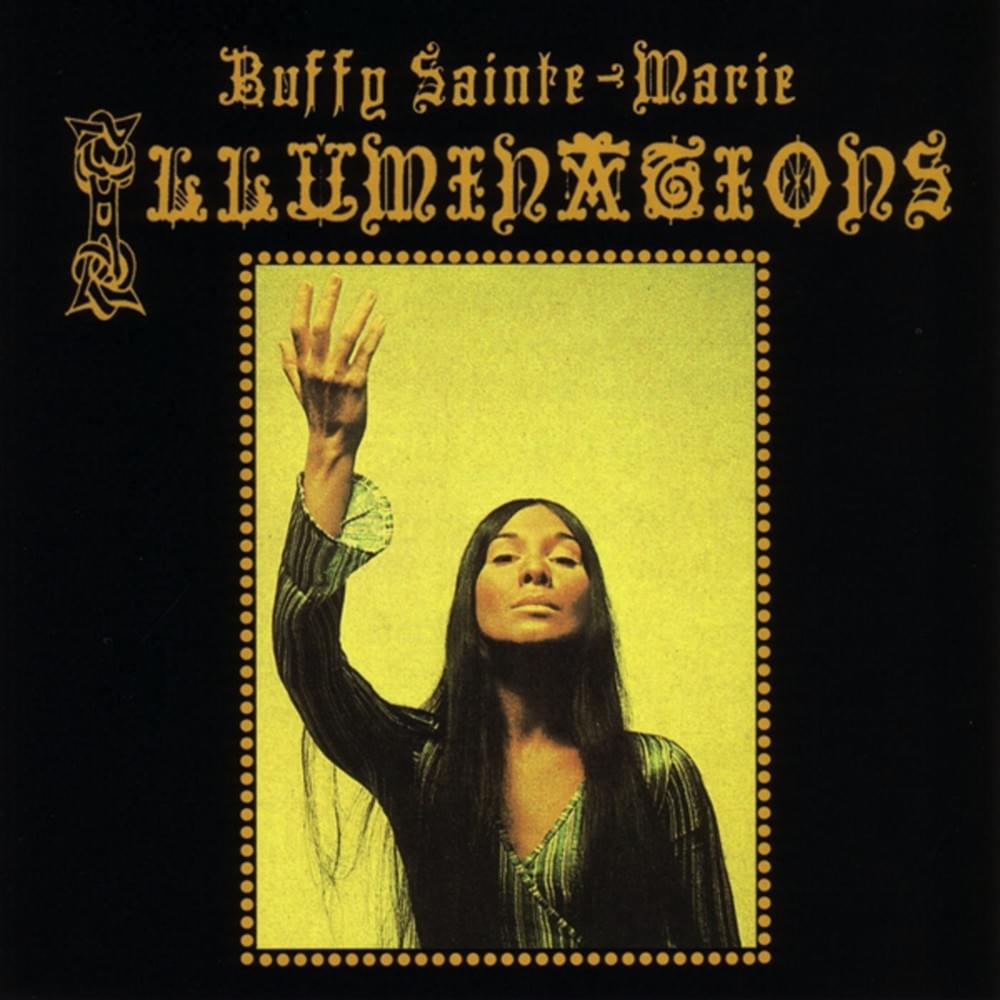
 View Artist