Song Meaning
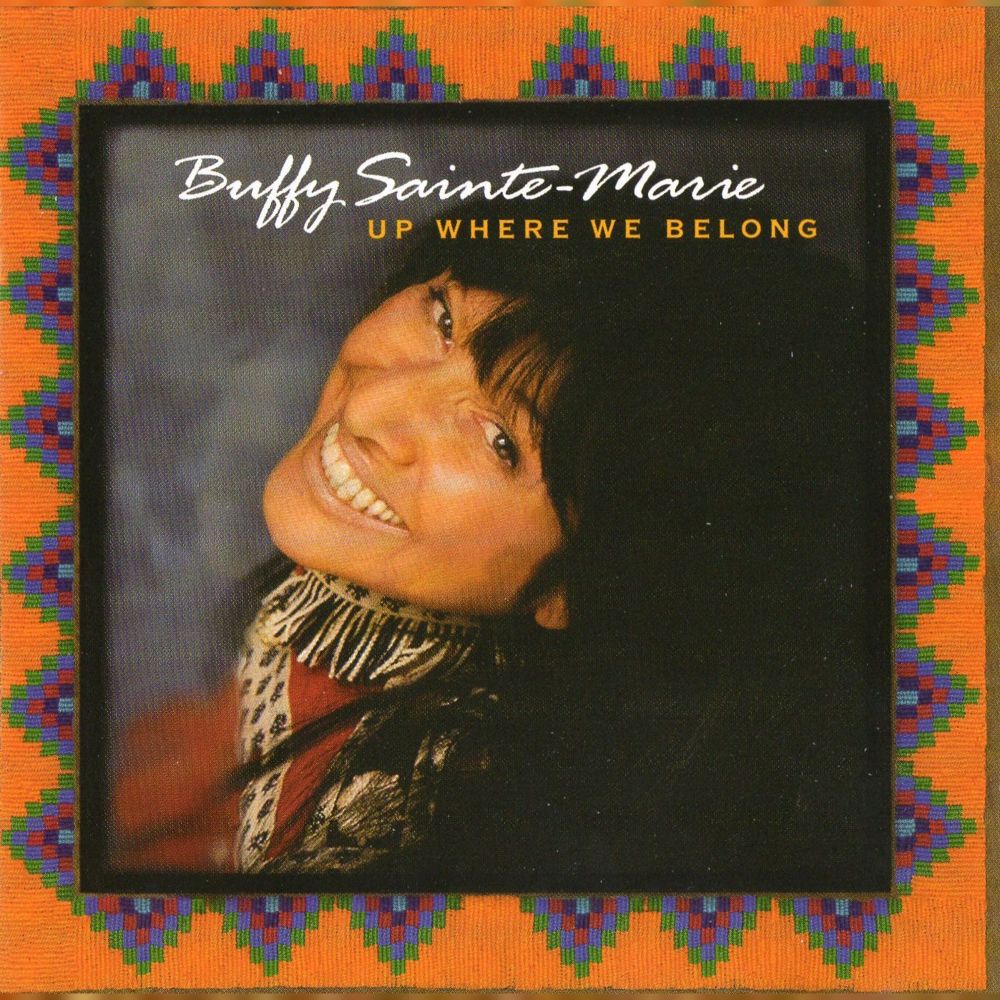
{"song_id": 10377909, "meaning": "Buffy Sainte-Marie's \"He's an Indian Cowboy in the Rodeo\" isn't just a simple love song; it's a potent blend of cultural identity and idealized romance, filtered through the wide-eyed perspective of infatuation. The central figure, the \"Indian cowboy,\" immediately subverts expectations. He embodies a compelling paradox: a Native American man thriving in a traditionally white, hyper-masculine arena. This juxtaposition alone speaks volumes about resilience, adaptation, and the negotiation of identity in a complex world. Sainte-Marie doesn't explicitly detail the struggles inherent in this position, but the very image conjures a narrative of overcoming obstacles and defying stereotypes.
The narrator's perspective, identifying herself as \"just another little girl who loves him so,\" introduces a layer of accessibility and perhaps even a touch of naivete. This phrasing highlights the power dynamic at play. She's not just admiring him; she's positioning herself as one of many, suggesting a universal appeal to this charismatic figure. The lyrics \"Once he stopped and talked to me / I found out how dreams can be\" imply a life-altering encounter, where the cowboy becomes a symbol of possibility and escape. The \"big white hat\" becomes emblematic of the cowboy figure, even as it sits atop an \"Indian\" head.
The cyclical structure of the song, constantly returning to the chorus, reinforces the obsessive nature of the infatuation. The pre-chorus, with its declaration of \"Sun is up, day is on / Look for me, I'll be gone,\" speaks to a deliberate act of seeking out this connection, potentially even against the wishes of her \"mama.\" This hints at a deeper rebellion, where the pursuit of this unconventional love becomes a form of self-discovery. Ultimately, \"He's an Indian Cowboy in the Rodeo\" operates on multiple levels: a portrait of an intriguing individual, an exploration of young love, and a subtle commentary on cultural identity and aspiration. The song's meaning resides not just in the lyrics, but in the unspoken narratives they evoke."}
 View Artist