Song Meaning
Buffy Sainte-Marie's "Babe in Arms" isn't a lullaby; it's a simmering indictment of patriarchal abandonment, masked by the veneer of folk simplicity. The song meaning hinges on the brutal contrast between the singer's earth-bound reality – a life literally overflowing with the responsibilities of motherhood – and her partner's feckless escape into "drinkin', carousin', and livin' a life of sin." This isn't just about a deadbeat dad; it's about the systemic devaluation of women's labor, both reproductive and emotional. The repeated refrain, "And where's my man?" becomes a haunting question, not just of physical absence, but of moral abdication.
The starkness of the lyrics underscores the desperation of the situation. The line, "And were it not for my own breast / My baby'd die for sure," lays bare the life-and-death stakes of her commitment, a commitment her partner seems blithely unaware of. The idealized memory of his courtship – "Once he courted me so fine" – only sharpens the sting of his current neglect, hinting at a bait-and-switch dynamic where initial charm concealed a deeper selfishness. The question, "Oh why did I give in?", isn't a naive lament; it's a recognition of the power imbalance that led to her entrapment.
Ultimately, "Babe in Arms" transcends a simple tale of abandonment, edging into the territory of barely suppressed rage. The chilling verse, "And were it not for this wee baby / Well, you know what I'd do / Ooh, to my fine man / Ah, don't you know: I'd shoot him and put an end to his life of sin," is not a literal threat, but a visceral expression of the singer's fury and the unbearable weight of her circumstances. The "life of sin" isn't just about drinking and carousing; it's about a sin against responsibility, against love, and against the fundamental contract of human partnership. Buffy Sainte-Marie uses the folk idiom to deliver a powerful and timeless message about the costs of male privilege and the resilience of women in the face of it.
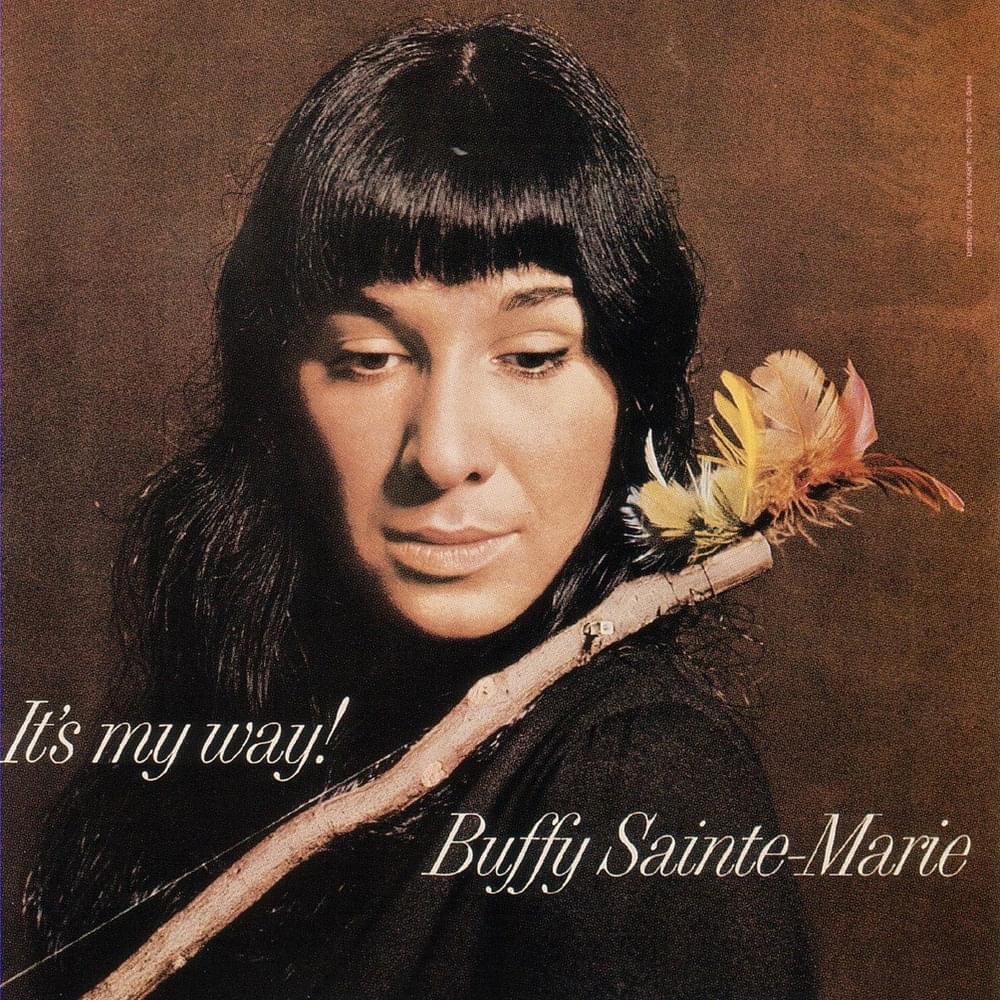
 View Artist