Song Meaning
The lyrics paint a picture of someone stuck in a persistent state of gloom, a "blue sun" that's obscured any joy for a long time. The narrator feels trapped in a "terrible mess," possibly a relationship or a difficult situation, where even a "special dress" can't lift the mood. The longing for home and fun is palpable, a stark contrast to the current emotional landscape. This feeling of being adrift is amplified by the repeated phrase, "It's been so long since I've been home."
The central tension lies in the struggle to maintain sanity amidst this overwhelming negativity. The narrator acknowledges a desire to "take back those things that you said," suggesting external hurtful words or internal regrets. The line "I might as well have been dead" powerfully conveys the depth of despair, yet it's immediately countered by the resolve "But I'm staying sane instead." This internal battle is the core conflict, a fight for self-preservation.
The most striking aspect of the craft is the recurring motif of "Saving grace." It appears as a desperate plea and a declaration of self-rescue, directly linked to "I've saved my face." This suggests that the narrator is actively fighting to preserve their dignity and mental well-being, finding their own "saving grace" within themselves rather than relying on external circumstances or people. The repetition of "I'll be there soon" acts as a mantra, a hopeful promise of return and escape from the current "mess."
Ultimately, these lyrics resonate because they capture the quiet, internal fight against pervasive sadness. The simple, direct language and the insistent repetition of key phrases create a sense of urgency and a powerful emotional arc from despair to a determined, albeit fragile, hope. The narrator's journey is one of finding an inner retreat and holding onto the idea of returning home as a beacon.
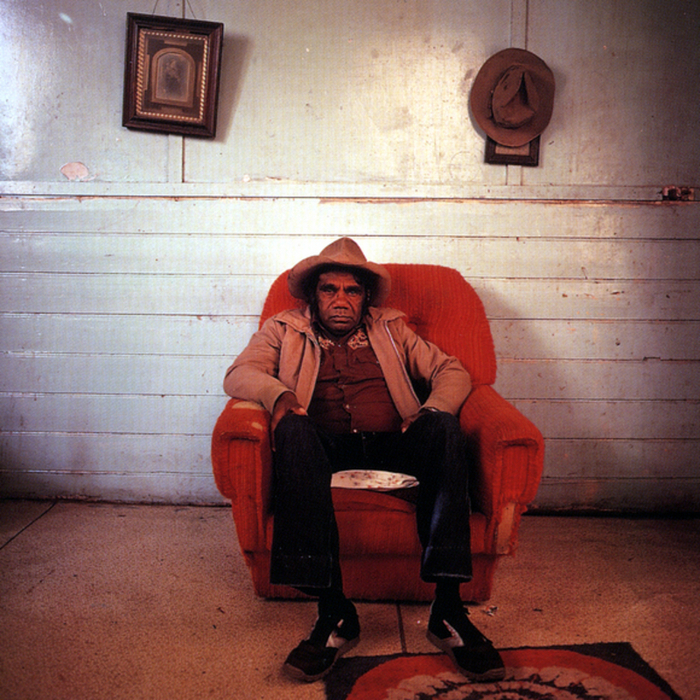
 View Artist