Song Meaning
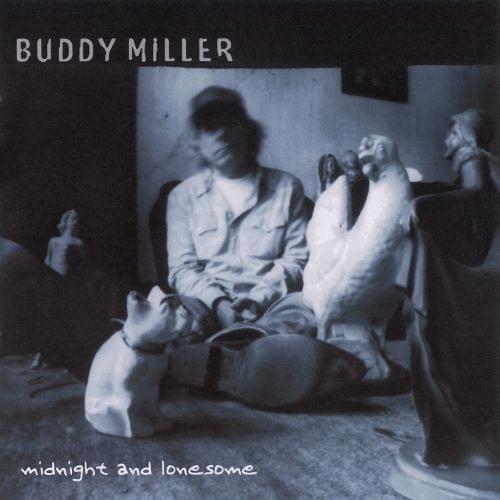
Buddy Miller's rendition of "Midnight and Lonesome" isn't just a country lament; it's a masterclass in sonic loneliness. The song, penned by Julie Miller, paints a portrait of abandonment so stark, it practically bleeds through the speakers. We're not just hearing heartbreak; we're witnessing the psychological fallout of a love gone sour, where the mundane markers of domesticity—faded photographs, peeling paint—become excruciating reminders of what's been lost. The genius lies in how the lyrics connect this personal devastation to the wider cosmos, with the 'wordless moon' and the crying train acting as cosmic echoes of the narrator's inner turmoil. This isn't just a breakup; it's an existential crisis set to a mournful melody.
The cyclical nature of grief is subtly woven into the song's structure. The repeated questioning – 'Why why I wanna know' – isn't a search for logical answers, but an expression of the mind's obsessive loop after trauma. It's the kind of question asked not to be answered, but to give voice to the bewilderment. The train's cry, likened to an 'unloved child,' is a particularly potent image, suggesting a primal, almost pre-verbal expression of pain. Miller understands that some wounds are too deep for words, finding resonance instead in the raw, unfiltered sounds of the night. The song subtly touches on the coping mechanisms humans use to get through their days. It talks about working until the sun is gone, but that the blues return at midnight, suggesting that these feelings are always present, but amplified when the world becomes quiet and still.
Ultimately, "Midnight and Lonesome" finds its power in the stark contrast between the universal experience of heartbreak and the crushing isolation it engenders. The narrator's plea, directed to the uncaring sky, highlights the absurdity of seeking solace in a world that remains indifferent to personal suffering. The daily grind is a distraction but doesn't help the subject escape the loneliness and blues that come when things get quiet. In Miller's hands, the song transcends simple country tropes, becoming a poignant meditation on loss, memory, and the enduring human need for connection in a seemingly indifferent universe.
 View Artist