Song Meaning
Buddy Miller's "Love Grows Wild" offers a deceptively simple, yet profoundly resonant meditation on the nature of enduring affection. The song bypasses the saccharine tropes of mainstream love songs, instead focusing on a love that's resilient, almost feral, in its ability to thrive even in sparse conditions. The opening lines establish this central metaphor: a place "where love grows wild," suggesting a space beyond manicured perfection, where genuine connection takes root. It's a love that doesn't demand constant validation or extravagant gestures; it "just goes on what it's got." This raw, untamed quality is what makes it so powerful. Miller subtly suggests that true love isn't about grand pronouncements, but about a quiet, persistent presence. The "wild thing" metaphor cleverly underscores the idea that authentic emotions aren't easily domesticated or controlled. They possess an intrinsic vitality that allows them to flourish independently of external factors.
The lyrics subtly hint at a past marked by emotional guardedness, perhaps even cynicism. Miller sings, "I used to be too hard to care / But 'til you do, you ain't nowhere." This suggests a transformative experience, a thawing of a once-frozen heart. There's a sense of regret for past mistakes ("Once, I just threw love away"), but also a firm commitment to the present and future. The repeated line, "Now my heart is home to stay," reinforces this newfound sense of stability and belonging. The song isn't just about finding love; it's about finding a home within another person. The chorus further emphasizes the theme of resilience, stating that "wild things grow on less than a little." This is a potent message in a culture obsessed with excess, suggesting that the most meaningful connections are often nurtured by simple gestures and unwavering loyalty.
Ultimately, "Love Grows Wild" is a testament to the power of unconditional love. It's a celebration of a connection that's both untamed and deeply comforting, a love that thrives in the "middle" of life's chaos and uncertainty. The closing verse, with its declaration of devotion ("Darlin', I will never go"), solidifies this sense of unwavering commitment. The song's beauty lies in its understated elegance and its ability to capture the essence of a love that's both wild and deeply rooted. Miller avoids clichéd pronouncements, instead painting a vivid picture of a love that's both enduring and profoundly human. It's a love that doesn't need constant tending; it simply grows, wild and free.
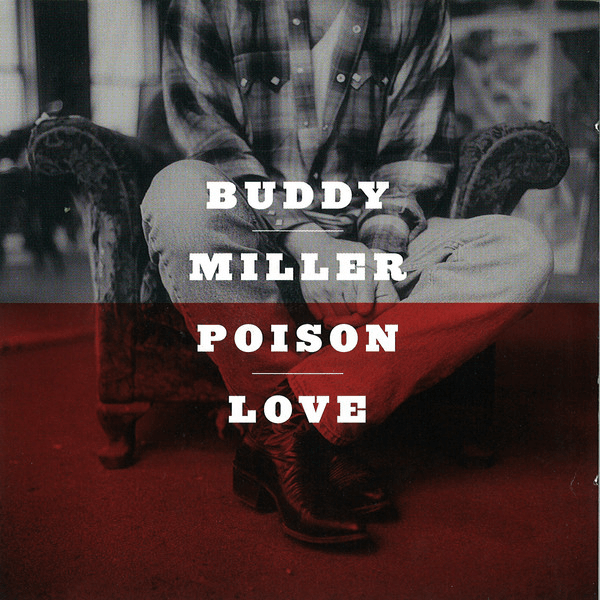
 View Artist