Song Meaning
Buddy Miller's "I'm Too Used To Lovin You" isn't just a heartbreak ballad; it's an autopsy of habit. The song meaning resides not in the grand gesture of lost love, but in the mundane rituals that outlive the relationship itself. The light left burning, the unchanged mailbox, the phantom conversations – these aren't dramatic declarations, but the quiet, persistent echoes of a life once shared. Miller dissects the psychological grip of routine, laying bare how deeply love can become embedded in the architecture of our daily existence. It's a chilling portrait of how even absence can be a form of presence, haunting the edges of consciousness long after the door has closed. The repetition of "I'm too used to" underscores the insidious nature of habit, revealing it as both a comfort and a cage.
The lyrics paint a stark picture of a man suspended in the amber of memory. The line, "I close my eyes when I'm in bed / But that don't get you out of my head," speaks to the futility of conscious effort against the tide of subconscious attachment. The dreams, the reflexive reaching, these are involuntary reflexes, betraying the raw nerve endings still firing beneath the surface. There's a quiet desperation in the refusal to move on, a stubborn clinging to the familiar even in the face of undeniable loss. The unyielding nature of grief is presented here as a kind of addiction, a dependence on the ghost of intimacy.
Ultimately, "I'm Too Used To Lovin You" is a masterclass in understated emotion. Buddy Miller avoids melodrama, instead focusing on the small, telling details that reveal the profound impact of loss. The true genius of the song lies in its exploration of the liminal space between presence and absence, where the echoes of love reverberate long after the music has faded. It's a reminder that heartbreak isn't always a dramatic event; sometimes, it's the slow, quiet realization that the world you built together now stands empty, a monument to a love that refuses to die, even when it's no longer alive.
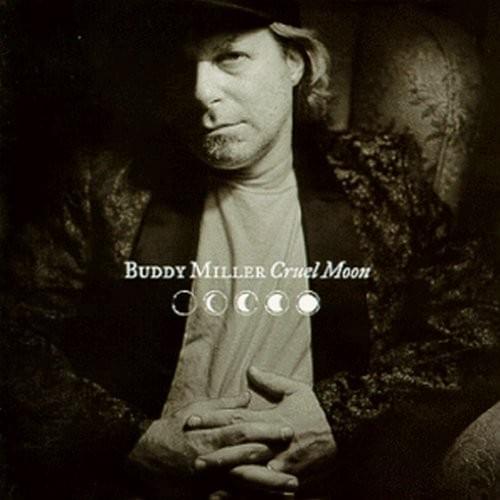
 View Artist