Song Meaning
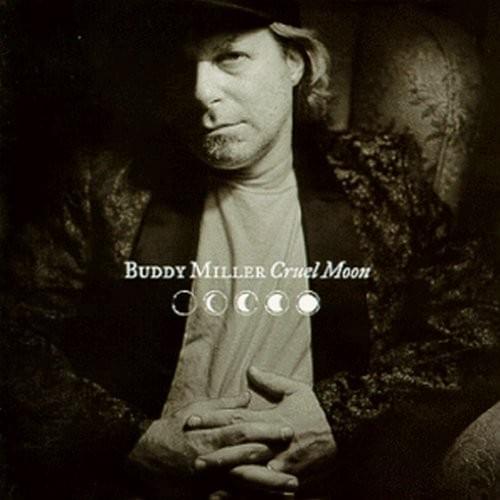
Buddy Miller's "Cruel Moon" isn't just a lament; it's a masterclass in anthropomorphism, projecting human grief onto the cold, indifferent face of the cosmos. The moon, typically a symbol of romance and gentle illumination, becomes an antagonist, a taunting reminder of a love that's vanished. The singer isn't simply sad; he's enraged by the moon's continued existence, its audacity to shine "as if there's nothing wrong." This isn't about astronomical bodies; it's about the psychological projection of pain. The unchanging universe mocks the singer's very personal and profound loss. The 'Cruel Moon' shines on, uncaring, a celestial voyeur now turned tormentor.
The brilliance of the lyrics lies in their simplicity. The repetition of "Oh cruel moon" acts as a primal scream, a desperate plea to a force that is both beautiful and utterly unyielding. The moon witnessed the couple's "sweet love scene," making its continued presence a painful trigger, a constant replay of happier times. Miller doesn't just miss his love; he's haunted by the ghosts of shared moments, now illuminated by this uncaring celestial body. It’s a raw, visceral portrayal of grief's disorienting power, where even the most constant elements of nature become personalized agents of sorrow.
The repeated request for darkness, for the moon to "leave me in the dark," underscores the desire for oblivion, for an escape from the relentless reminders of what's been lost. The poignant line, "You never had a broken heart," is the crux of the song's emotional core. It speaks to the profound isolation of grief, the feeling that no one, not even the silent, watchful moon, can truly understand the depth of the singer's pain. The final verse, a plea for friendship and a request for the moon to "hide your face from me again," reveals a desperate hope for solace, a yearning for the world to simply stop reminding him of his loss. It's less about hating the moon and more about begging for respite from the all-consuming agony of a broken heart.
 View Artist