Song Meaning
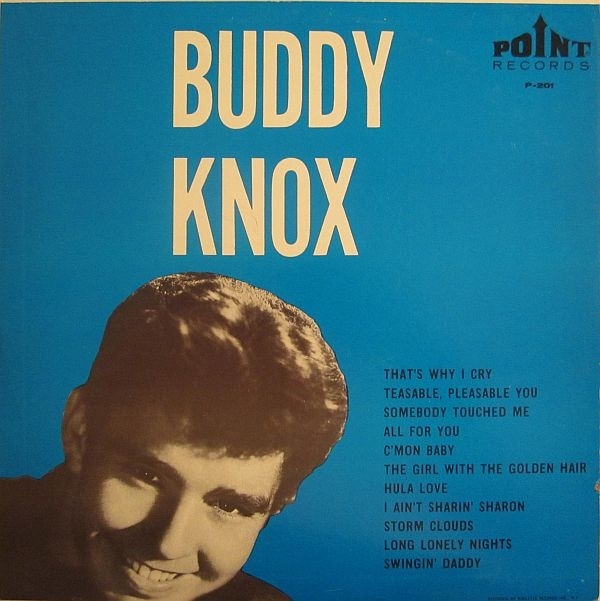
Buddy Knox's "Hula Love" isn't just a breezy slice of 1950s exotica; it's a bizarre, almost unsettling, collision of cultural stereotypes filtered through a rock 'n' roll lens. The song's narrative, set on the "isle of Filalilla out Hawai way," immediately establishes a fantasized, hyper-romanticized version of island life. The lyrics depict a 'hula maiden gay' (using 'gay' in its older sense of 'happy' or 'carefree'), pursued by a 'savage Zingazulu' chieftain from a distant, equally fictionalized land. This sets up a conflict not just of romance, but of civilizations, albeit ones entirely imagined.
The chorus, with its repetitive 'Hula Hawai hula' and 'zing gang a zula,' exemplifies the song's deeply problematic appropriation and flattening of diverse cultures into a single, undifferentiated 'jungle love' fantasy. The chieftain's promise of a 'bolo swinging' love song is both comical and vaguely threatening, highlighting the inherent power dynamics at play. The song's appeal likely stemmed from its novelty and escapism, offering a glimpse into a world far removed from the realities of post-war America.
However, beneath the catchy melody and seemingly innocent lyrics lies a complex web of cultural assumptions and biases. The 'peaceful Filalilla land' versus the 'savage Zingazulu land' dichotomy reinforces harmful stereotypes. Ultimately, "Hula Love," when viewed through a modern lens, serves as a stark reminder of the cultural insensitivity prevalent in popular music during this era. While enjoyable on a surface level, a deeper analysis reveals the song's troubling embrace of exoticism and its problematic representation of non-Western cultures. The song meaning, therefore, resides in understanding how it reflects both the musical trends and the cultural blind spots of its time.
 View Artist