Song Meaning
Buddy Holly's "Shake, Rattle and Roll" isn't just a boisterous rock and roll anthem; it's a primal scream against perceived betrayal and economic anxiety, thinly veiled beneath a danceable beat. The lyrics, seemingly simple on the surface, reveal a protagonist wrestling with a relationship where effort yields diminishing returns. The opening verses are less an invitation to dance and more a frustrated demand for accountability. "Get out of that bed, wash your face and hands," he barks, suggesting a partner who isn't pulling their weight. This domestic discord is further amplified by the line, "the harder I work the faster my money goes," a sentiment that resonates with anyone who's felt financially drained by a relationship. The "devil in nylon hose" line reveals a potent blend of lust and resentment, a feeling of being seduced and then exploited. It's a raw, unfiltered glimpse into the dark side of love and labor.
The chorus, the iconic "shake, rattle and roll," functions as both a desperate plea and a defiant act. It's as if Holly is trying to shake off the negativity, to rattle the foundations of his discontent, and to roll forward despite the weight of his troubles. But even within this energetic outburst, there's a sense of futility. The line "you won't do right / To save your doggone soul" underscores the deep-seated belief that his partner is fundamentally unwilling to change, creating a feeling of being trapped in a cycle of frustration.
The later verses further cement this sense of disillusionment. The image of "the one-eyed cat peeping in a seafood store" is both comical and poignant, suggesting a feeling of being an outsider, looking in on something desirable but ultimately unattainable. The acknowledgment, "I can look at you tell you ain't no child no more," signifies a loss of innocence, a recognition that the relationship has matured (or perhaps soured) beyond repair. Ultimately, "Shake, Rattle and Roll" is a multifaceted exploration of love, labor, and the blues, masked by Holly's signature exuberance. It’s a reminder that even the most upbeat songs can contain layers of complexity and emotional depth.
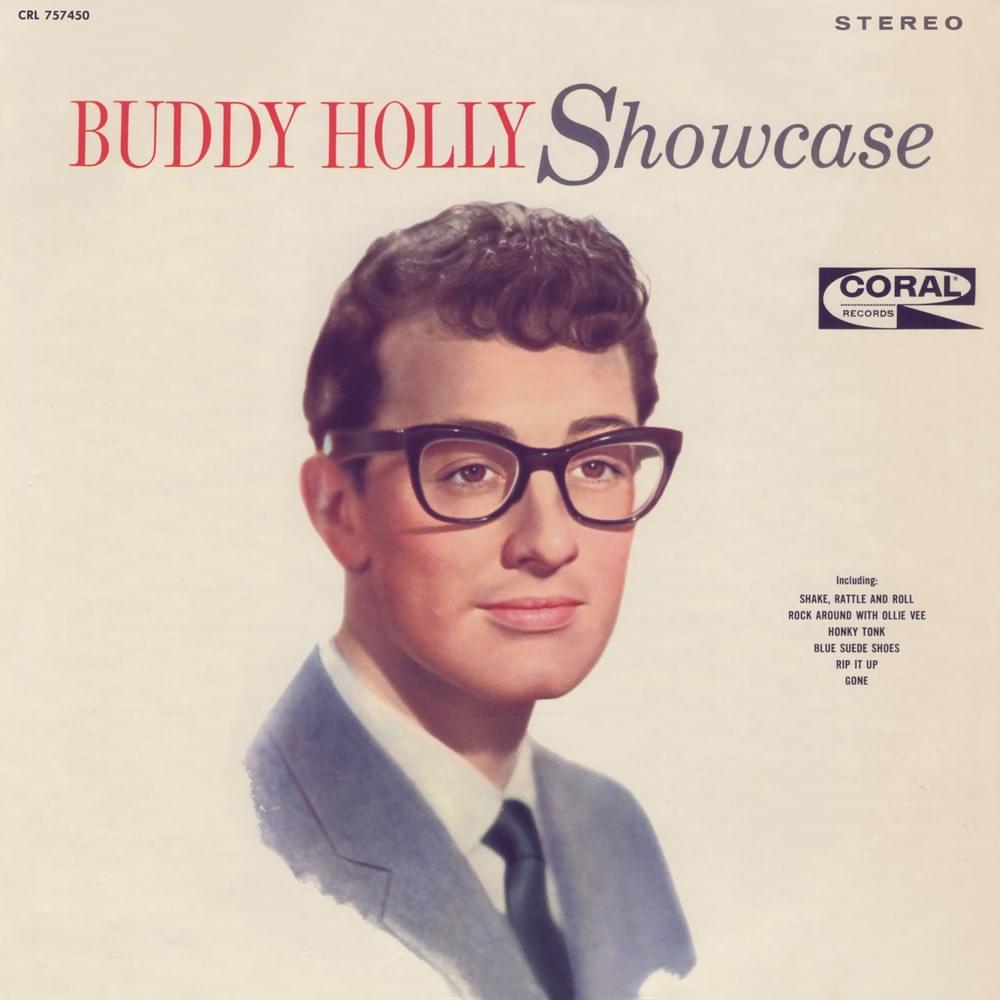
 View Artist