Song Meaning
{"song_id": 11631745, "meaning": "Buddy Holly’s “El #09” isn't just a plea for attention; it's a carefully constructed interrogation of commitment, masked in the deceptively simple language of early rock and roll. The opening verses aren't brimming with naive optimism. Instead, they're laced with a subtle anxiety, a premonition of heartbreak. The singer isn't simply asking for affection; he's demanding an account, a reckoning for past emotional transgressions. The question “What's going to happen to you / When you've broken too many people's hearts?” hints at a pattern of behavior, a history of fleeting infatuations that leaves casualties in its wake. It's a challenge, a dare to confront the potential karmic consequences of serial romanticism.
The recurring plea to “look at me” functions on multiple levels. Superficially, it's a straightforward desire for validation, a yearning to be seen and acknowledged. But deeper down, it's a power play. The singer is attempting to force a moment of genuine connection, to cut through the artifice and compel the object of his affection to confront the sincerity (or lack thereof) of her own feelings. The repeated references to the “twinkle in your eye” are particularly telling. Is that sparkle genuine affection, or a practiced performance? Is it reserved solely for him, or a generic charm deployed indiscriminately? It's this ambiguity that fuels the song's underlying tension.
Ultimately, “El #09” captures the precariousness of early love, the fragile balance between hope and fear. The final verse, where the singer declares his desire for marriage, ratchets up the stakes considerably. It's a bold declaration, but also a vulnerable one, exposing the singer to the potential for devastating rejection. The song isn't merely about wanting to be loved; it's about wanting assurance, a guarantee that the love is real, lasting, and exclusive. It's a surprisingly mature and psychologically astute exploration of the anxieties that lie beneath the surface of even the most seemingly innocent romantic overtures."}
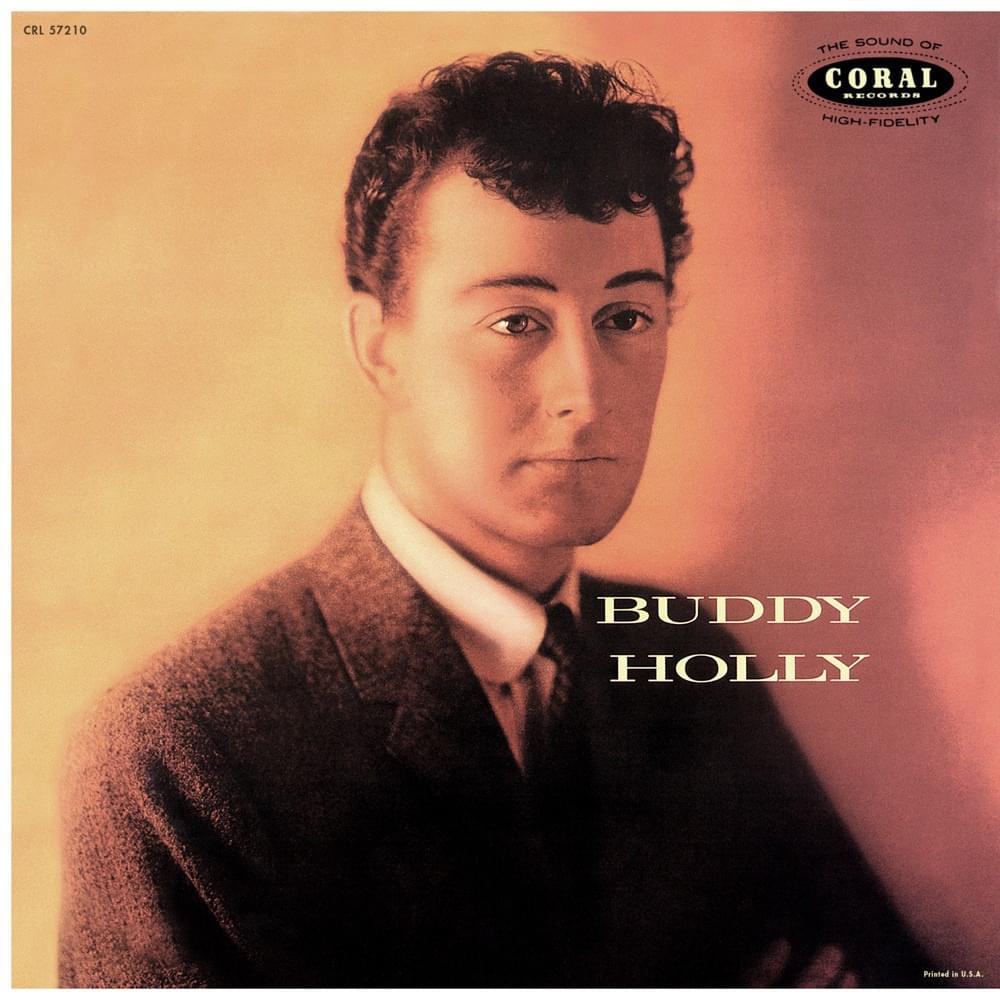
 View Artist