Song Meaning
The lyrics paint a stark picture of a world where past ideals clash with present realities. A character, seemingly once righteous, now observes or participates in casual violence and simmering unrest. The recurring phrase "Oh but that's another story, ain't it" acts as a dismissive shrug, deflecting accountability.
A central tension arises from the "you" character's apparent moral high ground, where "In your time you were just, you were right." This is juxtaposed with their actions or observations: they carry a gun "for fun" and disapprove of street violence, yet later justify "cops to use force." This creates a palpable sense of hypocrisy, where convenient truths are separated from uncomfortable realities.
The most striking craft element is the escalating use of the refrain, culminating in "ain't it, son of a gun." This phrase, initially a casual dismissal, transforms into a direct, almost accusatory address, tying the character directly to the very violence they try to distance themselves from. Further, the sudden, raw interjection "(Please forgive what's in my hand)" shatters the detached narrative, hinting at a deeper, personal complicity or internal struggle that the "another story" refrain attempts to suppress.
These lyrics are effective because they force the listener to confront uncomfortable truths about selective morality and the ease with which people compartmentalize their actions. The biting irony, combined with the unexpected vulnerability of the parenthetical aside, creates a powerful commentary on complicity and the self-deception often used to navigate a violent world. The final address leaves a lingering question about who the "son of a gun" truly is.
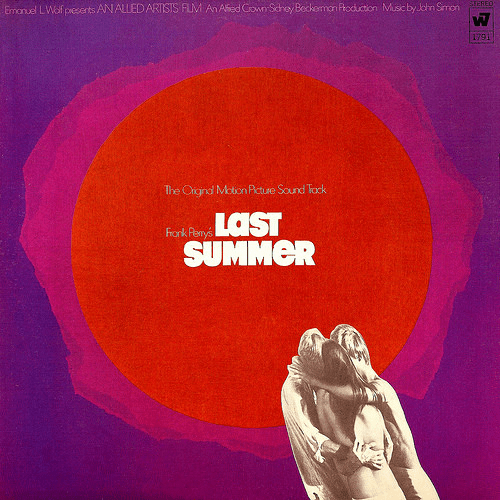
 View Artist