Song Meaning
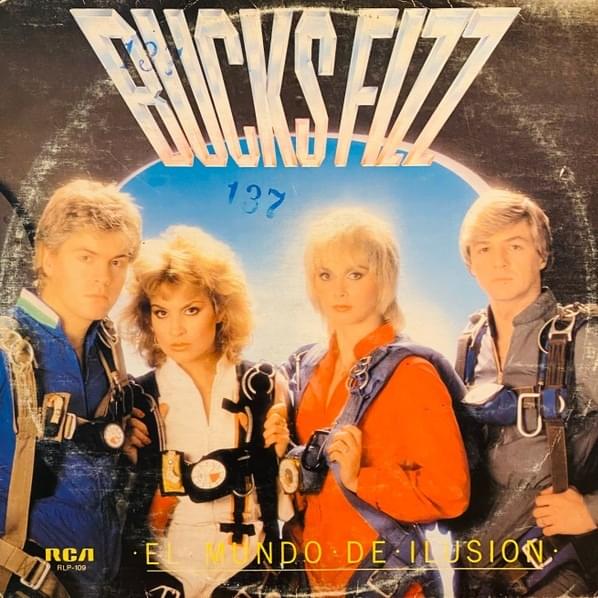
This song paints a vivid picture of a child's private world, a sanctuary of imagination called "El mundo de ilusion." It's a place where the "duendes" (elves or sprites) beckon with smiles, not to trap, but to invite deeper into fantasy. The initial tone is one of pure escapism, a small, intimate space where a child can "invent" and "dream" freely, shielded from any real-world constraints. The lyrics establish this as a personal haven, a "chiquitin" (tiny) place belonging solely to the child's mind.
The central tension emerges as the line between playful fantasy and genuine fear blurs. While the "duendes" are initially presented as friendly guides, the lyrics later introduce a darker undercurrent. The "sueños" (dreams) become "pesadillas" (nightmares), and the child is caught, unsure whether to "run." This shift introduces a palpable anxiety, as the very place meant for escape now seems to hold a threat of being "trapped." The repeated phrase "nunca, nunca, nunca te quieren atrapar al fin" (they never, never, never want to trap you in the end) starts to sound less like reassurance and more like a desperate plea against an encroaching danger.
The most striking craft element is the juxtaposition of innocent fantasy with a growing sense of dread. The imagery of running "hacia el sol" (towards the sun) and transforming into "Superman" offers a powerful sense of liberation and strength, a classic childhood fantasy of invincibility. Yet, this is immediately undercut by the fear of being "trapped" and the unsettling nature of dreams turning into nightmares. The lyrics cleverly use these contrasting images to mirror the complex emotional landscape of childhood, where imagination can be both a refuge and a source of fear, especially when the boundaries of that imagination begin to feel unstable.
Ultimately, the song's effectiveness lies in its ability to capture the fragile duality of childhood imagination. It acknowledges the pure joy and boundless potential of a child's inner world while also recognizing the anxieties that can creep in. The shift from playful invitation to a desperate need to escape, embodied by the "run, run, run" command, resonates because it taps into that universal experience of a safe space becoming overwhelming. The final verses, with the child and "Capitán" sailing towards the sun, suggest a hopeful resolution, a reclaiming of agency within that illusory world, but the lingering unease from the nightmare section makes the victory feel hard-won and deeply personal.
 View Artist