Song Meaning
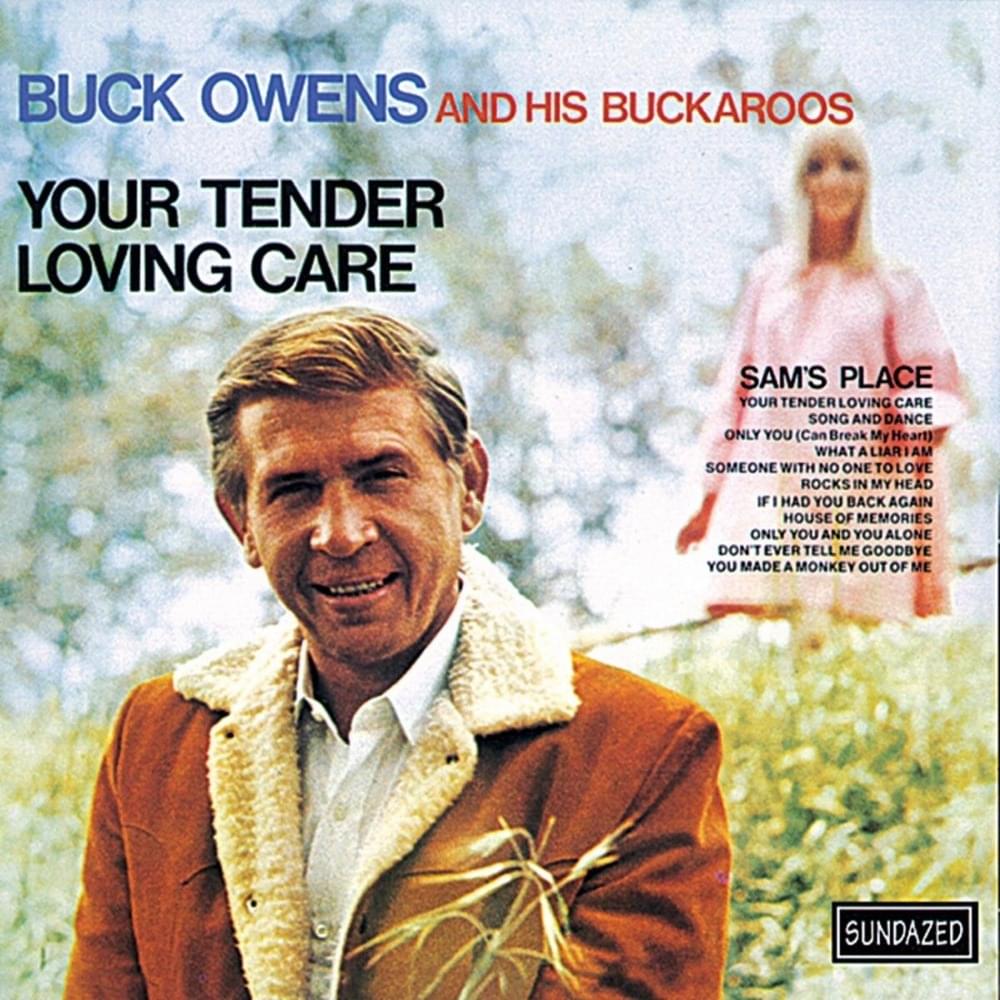
The narrator looks back on a past relationship with a mix of regret and newfound resolve. The opening lines, "Oh, I must have had rocks in my head / Well, I believed anything that you said," immediately establish a tone of self-recrimination and a recognition of past naivete. This feeling is amplified by the striking simile, "Like a puppy I rolled over and played dead," which paints a vivid picture of passive submission and a complete lack of self-preservation in the face of the other person's words. The repeated refrain hammers home the narrator's astonishment at their own former gullibility.
The core tension lies in the transition from a state of passive waiting and emotional stagnation to active liberation. The narrator declares, "Many nights I've waited up till twelve o'clock / That's all over now my waitin's gonna stop." This marks a decisive shift, moving from a life dictated by the other person's actions (or lack thereof) to one of self-directed enjoyment. The declaration, "I get dressed up and I'll go out on the town / While I'll live it up and you can live it down," clearly articulates this newfound independence and a desire to reclaim joy, even if it's tinged with a subtle schadenfreude.
The most compelling aspect of the lyrics is the stark contrast between the narrator's past behavior and their present intentions. The imagery of "talkin' to the walls" and "waitin' all alone" powerfully conveys the isolation and futility of the previous dynamic. This is directly juxtaposed with the vibrant, forward-looking statement, "So when you see me dancing with a brand new girl / Then you'll know that I've got a brand new whirl." This isn't just about moving on; it's about embracing a completely new, more dynamic phase of life, symbolized by the "brand new whirl."
Ultimately, the effectiveness of these lyrics stems from their relatable portrayal of recognizing past mistakes and the empowering feeling of breaking free. The simple, direct language and the memorable, self-deprecating idiom of "rocks in my head" make the narrator's journey from passive victim to active participant feel earned and triumphant. It's the sound of someone finally waking up and choosing to live life on their own terms, leaving behind the quiet desperation of waiting for someone else's approval or attention.
 View Artist