Song Meaning
The lyrics paint a poignant picture of grief and remembrance, centered around a worn bible. The opening lines immediately establish a tangible sense of time and loss, with the "dust on mother's bible" serving as a quiet testament to her absence. This physical object becomes a vessel for memory, suggesting that even as the physical book ages, the mother's presence is imprinted on every page, a comforting yet melancholic thought.
The central emotional tension arises from the moment of parting. The narrator recalls his mother's final words, her handing him the bible with the plea, "Son, let God be your guide." This act imbues the bible with immense significance, transforming it from a religious text into a direct conduit to his mother's love and her faith. The subsequent whisper, "I'll meet you on the other side," further solidifies this connection, offering a promise of reunion beyond earthly life.
The most striking craft element is the recurring image of the bible itself, specifically its "dust" and "worn cover." These details are not just descriptive; they represent the passage of time and the enduring nature of maternal love. The act of wiping away the dust is a powerful gesture of renewed connection and a tangible effort to bridge the gap left by her passing. It's a quiet, intimate moment that speaks volumes about the narrator's struggle to cope with his loss.
Ultimately, these lyrics resonate because they anchor profound grief in simple, relatable imagery. The bible, a symbol of faith and guidance, becomes a proxy for the mother's enduring love. The narrator's actions—pressing the bible to his heart, kissing it, wiping away the dust—are small but deeply emotional expressions of missing his mother's love, a sentiment that crystallizes only after she is gone.
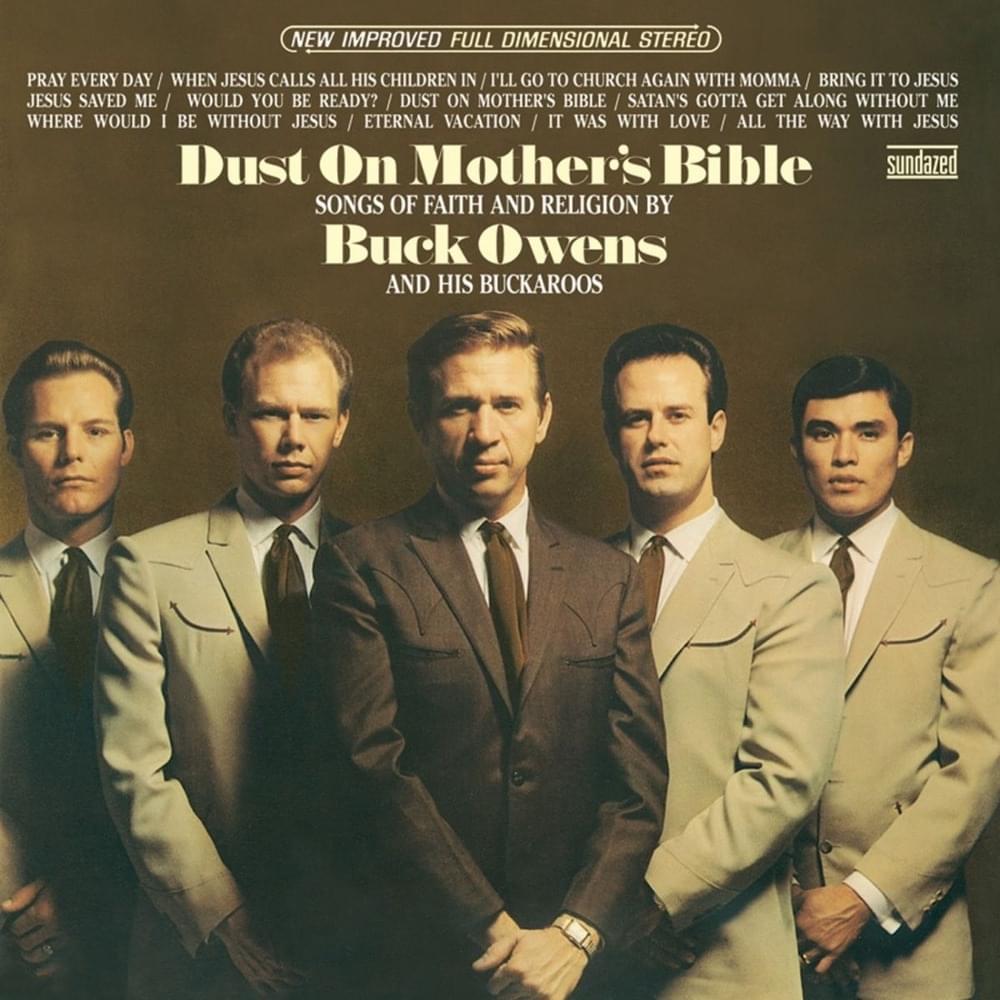
 View Artist