Song Meaning
The lyrics paint a stark picture of self-sabotage and disillusionment, beginning with a direct accusation of falsehood. The narrator recalls a promise of future stardom, immediately contrasted with a crushing self-awareness: "Ideas inside my head will never bloom because of things I do to myself." This sets a tone of internal conflict, where personal actions actively prevent aspirations from taking root. The desire to "fade away" suggests a deep weariness and a need for escape, a temporary death before a hopeful, albeit uncertain, rebirth. The narrator declares, "I will die one day and come back to this earth and I will try hard," hinting at a cyclical struggle for self-improvement.
The core tension arises from the juxtaposition of external promises and internal decay. The narrator feels trapped by their own behavior, leading to a profound sense of hopelessness. The visceral image of "semen in my hair" is jarring, suggesting a deeply personal and perhaps degrading experience that contributes to their despair. This isn't just abstract sadness; it's tied to specific, uncomfortable realities. The repeated phrase "I live to please" underscores a potential source of this self-destructive pattern, implying a life dictated by external validation rather than internal drive, culminating in the feeling that "the end is near."
The most striking aspect of the writing is its raw, unflinching honesty, particularly in the shift from grand pronouncements to gritty, intimate details. The transition from the idea of being a "star" to the physical sensation of "semen in my hair" is a brutal descent. The narrator's declaration, "Things were just much better / Way before you came here," points a finger not just at their own actions but also at the destructive influence of another person. This suggests that the self-sabotage might be exacerbated or even initiated by a toxic relationship, making the "paper punch out dreams" a consequence of both internal flaws and external harm.
Ultimately, the effectiveness of these lyrics lies in their unflinching portrayal of a personal hell. The narrator doesn't shy away from the ugliness, making the desire for a "come back" feel earned, even if it's tinged with the acknowledgment of past failures and present pain. The raw imagery and direct accusations create an uncomfortable intimacy, forcing the listener to confront the harsh realities of broken dreams and the destructive patterns that can accompany them.
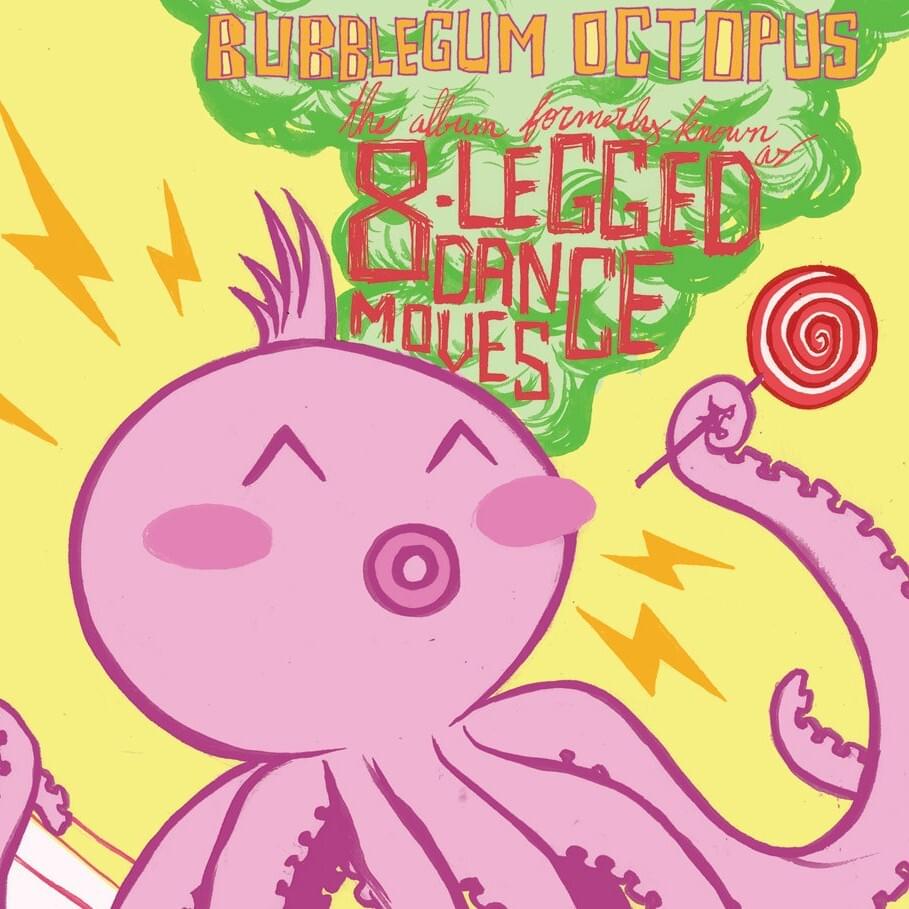
 View Artist