Song Meaning
The lyrics paint a picture of forced cheerfulness, a performance masking internal turmoil. The narrator explicitly states, "This is something I'm not feeling anymore," immediately setting a tone of inauthenticity. The core tension lies in the contradiction between outward laughter and inner "discomfort," a feeling amplified by the awareness of being watched and judged. This creates a palpable sense of unease, where even the act of laughing becomes a source of anxiety rather than relief.
The narrator grapples with a long history of being "hounded" and "pushed out," leading to a facade of indifference that now feels hollow. The repeated phrase "I'm not happy but I laugh" underscores this internal conflict. It suggests a coping mechanism that has become so ingrained it's difficult to shed, even as the narrator recognizes its inadequacy. The line "I may not be strong but at least I'm not human" hints at a desire to detach from the emotional vulnerability that comes with being human, perhaps as a defense against further hurt.
The most striking aspect is the narrator's self-awareness of this performative state. They acknowledge "making a face but I don't have the feelings," highlighting the disconnect between their external presentation and internal reality. The later shift to addressing someone directly with "You are lovely" and "you are worth it to me" introduces a complex dynamic. While expressing genuine affection, the narrator still frames it within their own struggle, stating, "I complain but I can smile." This suggests that even positive emotions are filtered through their pervasive discomfort, and they are "trying to hide" their own unease in the presence of this other person.
Ultimately, the effectiveness of these lyrics stems from their raw portrayal of emotional dissonance. The repeated emphasis on the "discomfort in this laughing" and the lack of "comfort" creates a powerful, almost claustrophobic atmosphere. The narrator’s struggle to reconcile their internal state with their external actions, particularly the performative laughter, makes for a poignant and relatable depiction of masking pain. The final lines, returning to the initial sentiment of not feeling and the absence of comfort, bring the narrative full circle, emphasizing the cyclical nature of this struggle.
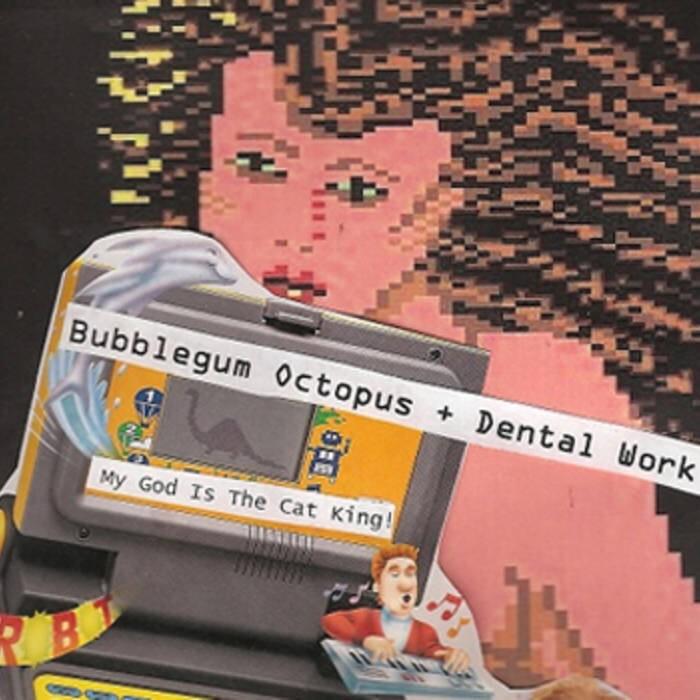
 View Artist