Song Meaning
The lyrics paint a picture of someone in a state of deep contemplation, almost a trance. The repetition of "Meditando" and "Estou transcendental" immediately establishes this internal focus. Time seems to warp and lose significance, marked only by the passing of "a hora passa" and the distant image of "o trem passou." This detachment from linear time suggests an immersion in thought or memory.
The core tension arises from the contrast between this meditative state and the intrusion of a specific memory. While the narrator claims "Não vou te enganar," hinting at honesty about their internal experience, the subsequent line, "Quantas canções / O teu sorriso faz lembrar," reveals a powerful external anchor. This suggests that even in transcendence, a particular person's smile and the memories it evokes are inescapable, pulling the narrator back to emotional realities.
The craft here is in the subtle juxtaposition. The grand, almost spiritual claim of being "transcendental" is immediately undercut by the very human, specific trigger of a remembered smile. The passing train, a symbol of movement and departure, ironically serves to emphasize the narrator's stillness and the enduring nature of the memory. The lyrics don't explicitly state the nature of the memory, but its power is evident in its ability to surface during such a profound state of mind.
This creates an emotional resonance by capturing the way profound introspection can still be dominated by potent personal connections. It highlights how even when seeking an escape from the mundane or the present, certain memories and people hold an undeniable sway. The effectiveness lies in its quiet acknowledgment that true transcendence might be impossible when a powerful emotional memory is present.
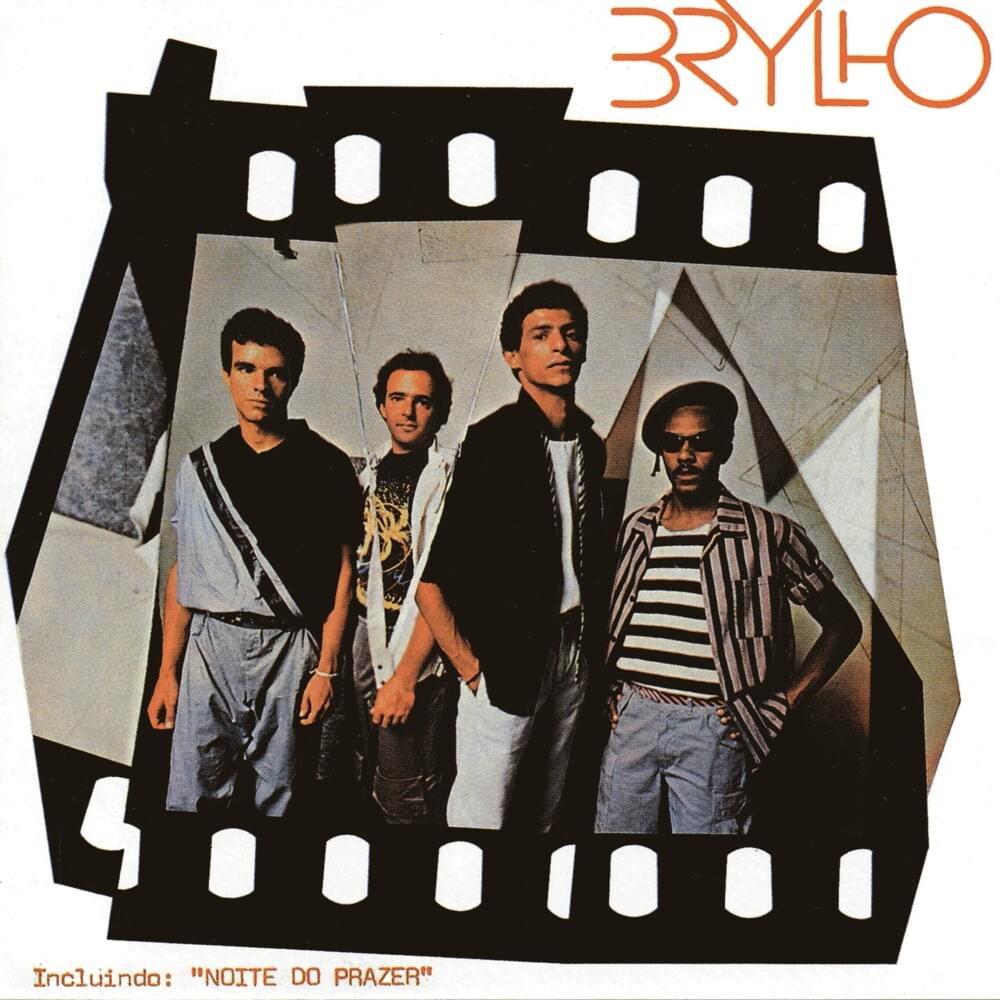
 View Artist