Song Meaning
Bryan Ferry’s "Last Night" isn't a narrative so much as a sustained mood, a feeling of disoriented anxiety. The lyrics paint a picture of someone lost, both literally and figuratively, unsure of “which way to turn.” This uncertainty isn't just a momentary lapse; it's a fundamental breakdown in the ability to distinguish right from wrong, a disorientation so profound it affects basic spatial awareness ("from left to right"). The repetition emphasizes the cyclical nature of this anxiety, a feeling of being trapped in a loop of indecision. The burning fingers on ice evoke a paradox of pain and fragility, suggesting a high-stakes situation where every choice carries risk.
The recurring phrase "Can't control my feelings if I tried" underscores a sense of helplessness, a surrender to overwhelming emotions. This isn't a defiant rejection of control, but rather an admission of its impossibility. The external world, once familiar and stable, is now "easing out of time," further amplifying the sense of disorientation. This could be interpreted as a metaphor for personal change, a loss of innocence, or even a broader societal shift that leaves the narrator feeling unmoored.
The song's power lies in its ambiguity. Is the narrator grappling with a personal crisis, a moral dilemma, or a more existential unease? The repetitive outro, with its insistent mantra of "easing out of time," suggests a slow, inexorable decay, a fading of reality that leaves the listener with a lingering sense of dread. Bryan Ferry doesn't offer answers; he simply captures the unsettling feeling of being adrift in a world that no longer makes sense, a world where the familiar rules and landmarks have vanished.
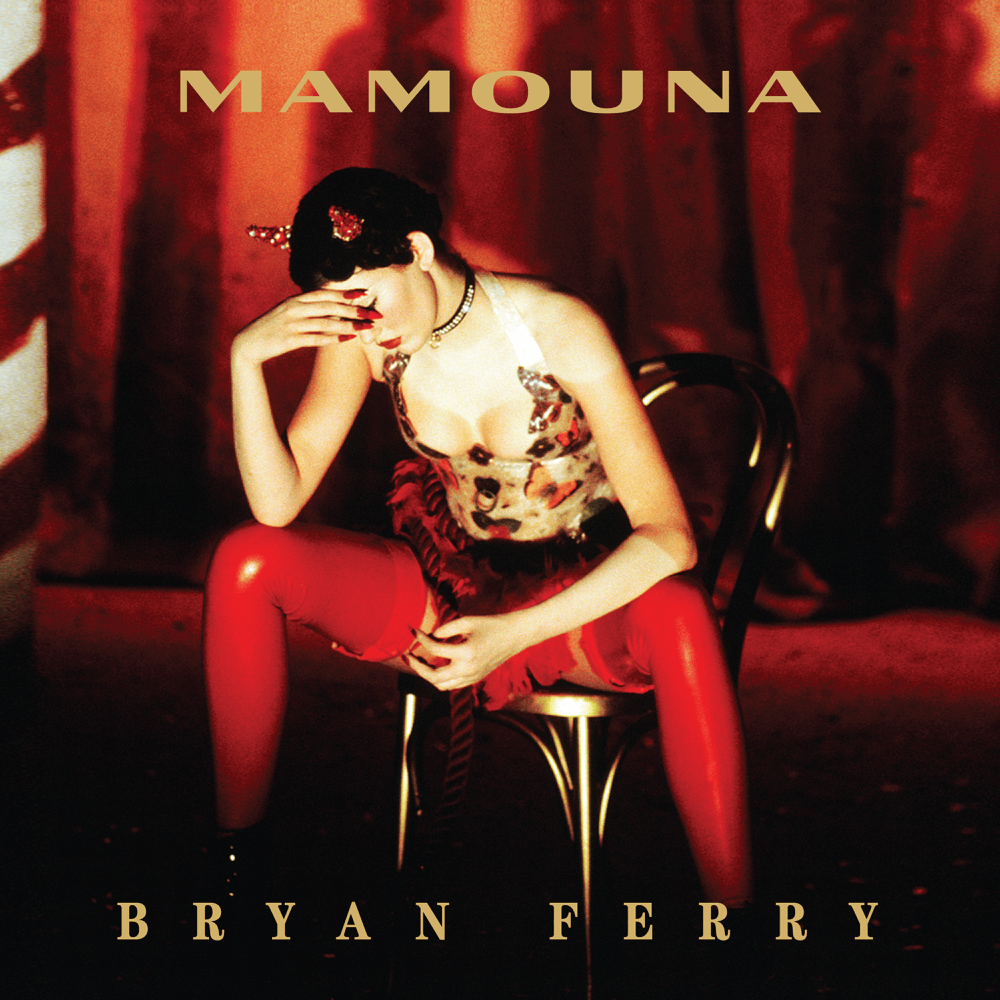
 View Artist