Song Meaning
Bryan Ferry's "Valentine" is not the saccharine declaration of love one might anticipate from the title. Instead, it's a study in alienation, the pursuit of elusive happiness, and the inherent unknowability of others. The opening lines, "Tell me something I must know / The burning question why," immediately establish a tone of existential inquiry. The singer grapples with a fundamental disconnect, a "burning question" that hints at a deeper search for meaning and connection. The cryptic line, "Half a man is twice as much / When he's on the line," suggests a precarious state, where vulnerability and risk amplify one's presence and experience, or perhaps the compromises one makes in the name of love. The "Valentine in hand" contrasts the pursuit of happiness with a sense of isolation; a symbolic gesture of affection feels insufficient in the face of a more profound yearning. The line "None of them will ever guess / But you understand" speaks to the inherent loneliness of the human condition.
The recurring chorus, "How many men in a world of their own? / There is no end to the great unknown," reinforces this theme of isolation and the limits of human understanding. Ferry isn't just singing about romantic longing; he's pointing to a universal truth: that each individual exists within their own subjective reality, ultimately separate from others. The "great unknown" isn't just about the mysteries of love, but about the fundamental unknowability of other minds.
The second verse, with its image of being "outside looking in," further emphasizes this sense of detachment. The "Train of mirrors, none so fair" evokes a sense of distorted self-perception, highlighting the difficulty of seeing oneself clearly and honestly, especially in the context of relationships. The simple "La la" bridge acts as a momentary reprieve, a sonic exhale before returning to the central themes of uncertainty and isolation. In all, "Valentine" uses the romantic framing as a lens to explore a far wider theme of human disconnection.
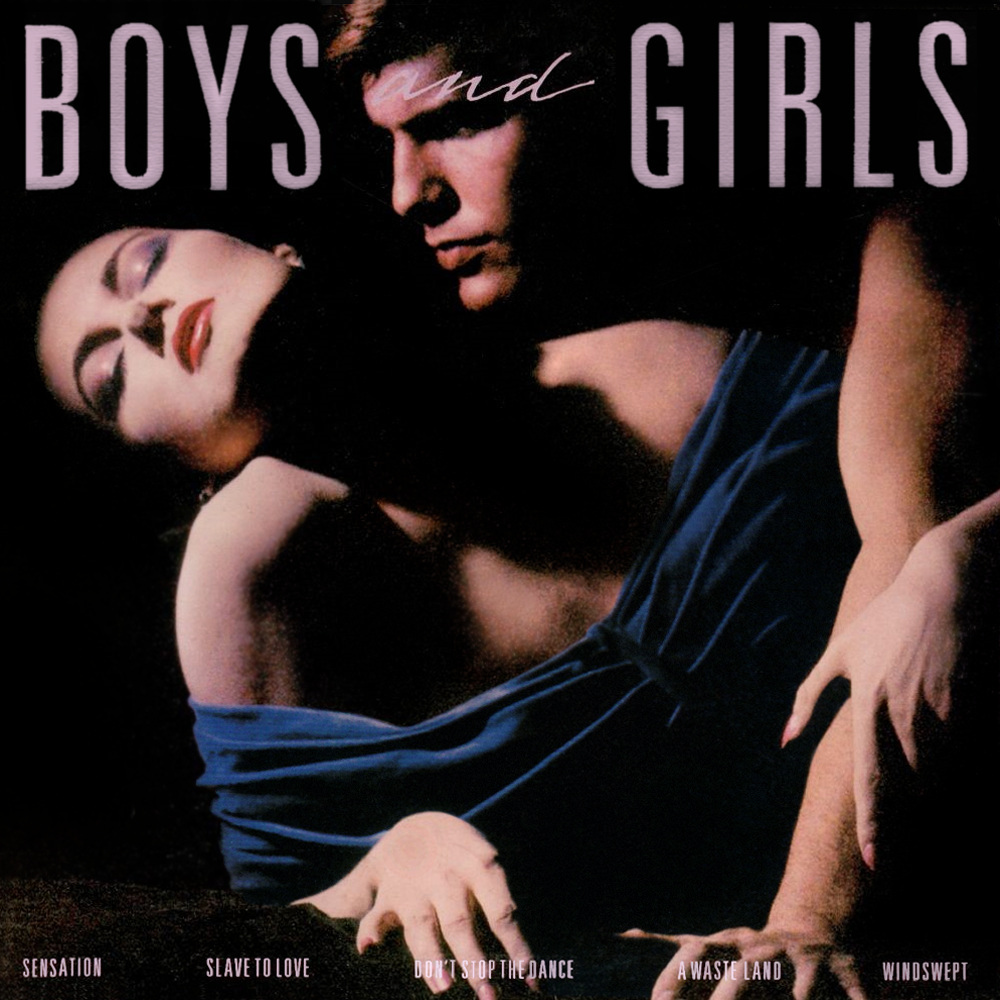
 View Artist