Song Meaning
Bryan Ferry's "To the Moon" is a masterclass in glamorous alienation, a sonic portrait of the artist as a perpetual outsider. The opening lines immediately establish this sense of displacement: "I'm a stranger in your town / That's the place I belong." It's a paradox, this feeling of being most at home when adrift, suggesting a deep-seated discomfort with belonging or perhaps a conscious rejection of conventionality. The "wailing saxophone" isn't just musical texture; it's the raw, unfiltered emotion that Ferry can't or won't express directly. It's the sound of longing, of a soul forever reaching for something just out of grasp. The line, "All the sin that I can take / But you don't even know my name," hints at a life lived on the edge, a flirtation with darkness that leaves him ultimately unseen, unrecognized for the complexities within.
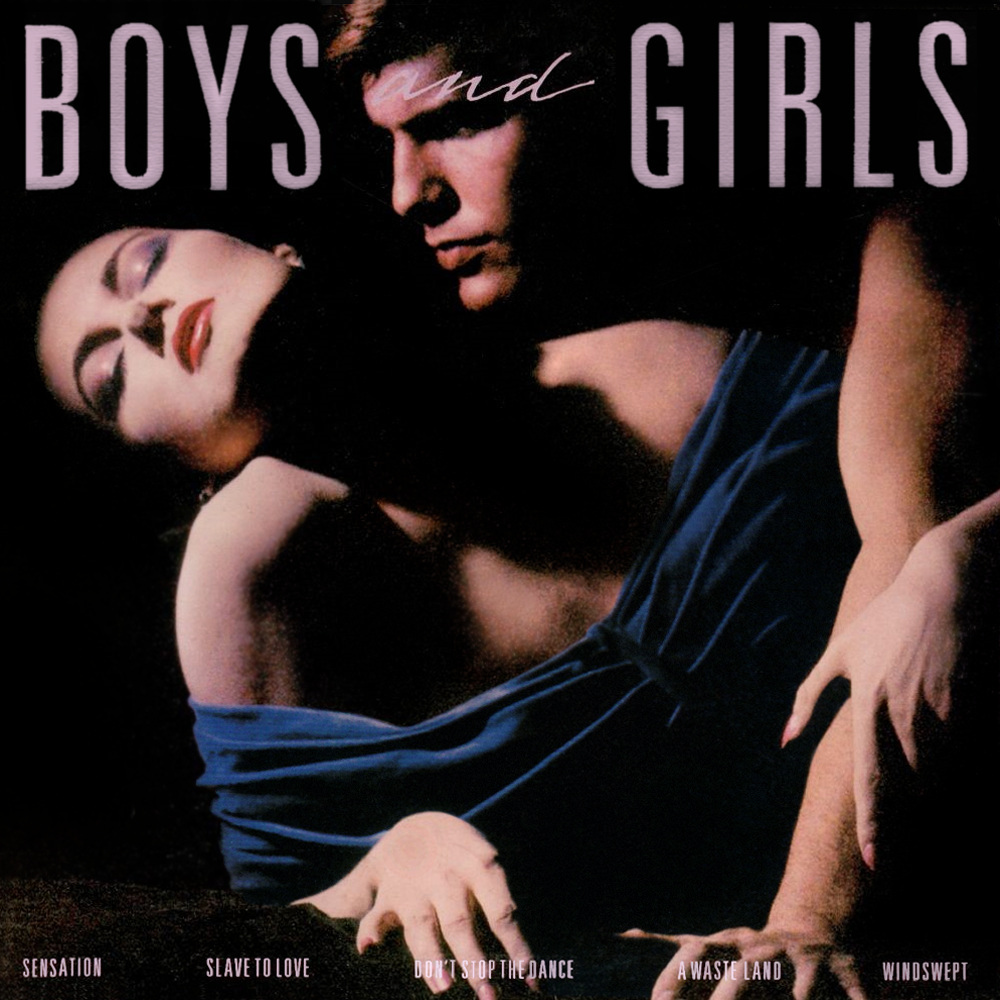
The chorus, a repeated mantra of "Boys and girls," could be interpreted in several ways. It might be a commentary on the superficiality of social interactions, a reductive label applied to individuals without understanding. Or, perhaps more darkly, it represents the cyclical nature of pleasure and pain, the endless loop of desire and disillusionment that Ferry seems trapped within. The second verse doubles down on this sense of jadedness. "All the good has turned to bad / Ah, you know what I think of that" drips with cynicism, suggesting a world where innocence is inevitably corrupted.
The undercurrent of mortality is palpable. "Death is the friend I've yet to meet" isn't a morbid fascination as much as an acknowledgement of life's inherent fragility. It's the ultimate escape, the final frontier for someone who already feels like an outsider. "To the Moon," then, isn't just a song; it's a mood, a state of being. It’s about navigating a world that feels both alluring and repulsive, about the search for meaning in a landscape of fleeting connections and existential unease. It’s a lonely waltz under a disco ball, a bittersweet symphony for the beautifully damned.
 View Artist