Song Meaning
The lyrics paint a bleak picture of humanity's impact on the planet, framing our so-called "progress" as a destructive force. The opening lines immediately establish a tone of condemnation, equating "man's progress" with environmental devastation. This sets the stage for a narrative that sees our actions as inherently flawed, leading inevitably to ruin. The repeated phrase "no hope" underscores the narrator's fatalistic outlook on our collective future.
The central tension arises from the conflict between human ambition and ecological consequence. The lyrics suggest a pattern of self-destructive behavior, where actions like "Rape the land" and "Crossed the line, too many times" are presented as deliberate choices with predictable, dire outcomes. The idea of "investing life" into a "greatest joke" highlights a profound disconnect between our efforts and their actual value, implying a deep-seated folly in our pursuits.
A striking element is the stark contrast between human gain and environmental cost. Phrases like "For our pain, insert your gain" and the mention of "toxic pollution" directly link our exploitation of the earth to our own suffering. The lyrics also employ a sense of inevitability, with "Centuries of ill-neglect" leading to exposure to a "plague." This cyclical view of cause and effect reinforces the idea that our current trajectory is unsustainable and self-inflicted.
Ultimately, the effectiveness of these lyrics lies in their unflinching portrayal of accountability. The narrator asserts that "In the end, we're to blame," a statement delivered with a chilling, almost sarcastic "ha, ha." This final indictment, coupled with the imagery of the earth burning and a "global transformation," leaves the listener with a powerful sense of dread and a stark realization of our role in creating our own downfall. The lyrics force a confrontation with the consequences of unchecked human action.
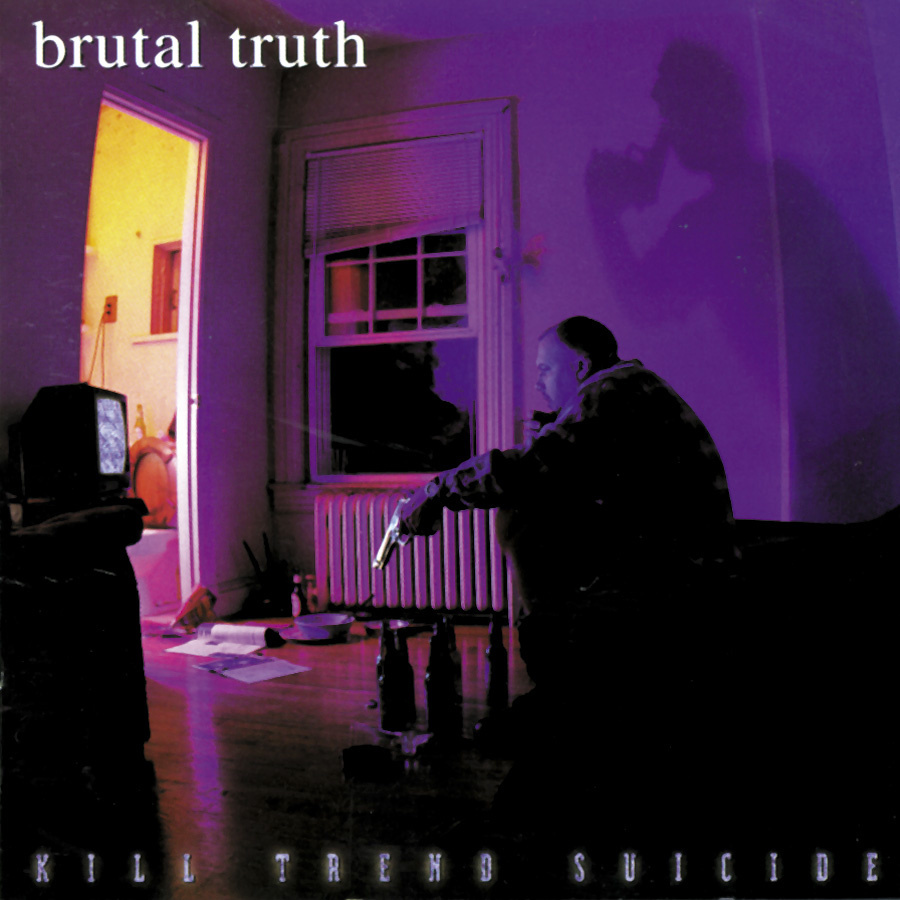
 View Artist