Song Meaning
This song is a stark refusal to fall in love, painting a picture of a person already worn down by past romantic failures. The narrator explicitly states, "Non voglio innamorarmi di te" (I don't want to fall in love with you), immediately setting a tone of weary resignation. The immediate consequence of this potential love is a loss of awareness of the world, a state where "Senza vedere più niente / Se tu non sei accanto a me" (Without seeing anything anymore / If you are not next to me). This isn't a romantic idealization, but a fear of becoming so consumed that life outside the relationship ceases to exist.
The central conflict arises from a deep-seated fear of repeating past mistakes. The narrator doesn't want to "mettere anche te tra gli errori" (put you too among the mistakes), confessing to being "Stanco di quelli di ieri / E di ogni giorno prima di te" (Tired of yesterday's ones / And of every day before you). This suggests a history of painful relationships that have left them jaded and hesitant to open up again, even when faced with someone who might offer fulfillment. The lyrics hint at a potential reciprocity: "Tu lo so mi darai / Tutte le cose che ti chiederò" (I know you will give me / All the things I will ask you), but this is immediately undercut by the fear of unmet expectations: "Ma so già che vorrai / Tutte le cose che non potrò darti" (But I already know you will want / All the things I won't be able to give you).
The most striking aspect of the writing is the cyclical nature of the narrator's dread. Each stanza reiterates the core refusal, but the second half of the song introduces a specific, painful pattern: "Per poi ricominciare a sognare / E quindi tornare a soffrire" (To then start dreaming again / And therefore suffer again). This highlights the perceived inevitability of heartbreak once hope is allowed to surface. The act of falling in love is framed not as a joyous possibility, but as a prelude to inevitable suffering, a cycle the narrator is desperate to break by refusing to start the process at all.
Ultimately, the effectiveness of these lyrics lies in their raw, unvarnished honesty about the protective shell built around a wounded heart. It’s not about rejecting love itself, but about rejecting the *pain* that past experiences have taught them is inextricably linked to it. The simple, direct repetition of the refusal, coupled with the vivid imagery of losing oneself and the predictable cycle of dreaming and suffering, creates a powerful sense of a person trapped by their own learned defenses, making the plea to avoid love feel less like a choice and more like a desperate act of self-preservation.
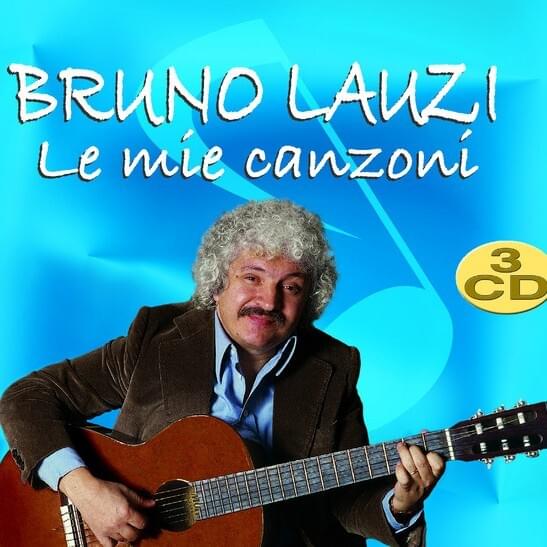
 View Artist