Song Meaning
The narrator is caught in a cycle of hurt and forgiveness, admitting a profound lack of control over their own emotions and actions. The lyrics paint a picture of someone who knows they should walk away but is consistently drawn back in by the object of their affection. This internal conflict is palpable, as the narrator struggles to reconcile the pain inflicted with the overwhelming love they feel.
The central tension lies in the narrator's inability to resist the other person's advances, despite the repeated hurt. Phrases like "Eu não consigo entender, essa louca paixão" (I can't understand this crazy passion) and "Eu não sou dono de mim" (I'm not in control of myself) highlight this powerlessness. The narrator acknowledges their own weakness, stating, "Queria poder dizer não, e não te procurar" (I wish I could say no, and not look for you), yet they consistently fail to follow through.
The lyrics effectively use repetition and contrasting actions to emphasize the addictive nature of this relationship. The repeated "Eu te amo demais" (I love you too much) underscores the depth of feeling that overrides the pain. The shift from the hurt described in the first verse to the passionate intimacy of the chorus ("Tira a roupa, fica louca" - Take off your clothes, go crazy) shows how quickly the narrator is pulled back into the relationship's embrace, despite their better judgment. The repeated phrase "Eu sempre perdou você" (I always forgive you) seals this pattern of unconditional acceptance.
This dynamic is compelling because it captures a raw, often messy, aspect of intense love. The narrator's vulnerability and self-awareness, even in their inability to break free, make the emotional struggle relatable. The lyrics don't offer a neat resolution, instead leaving the listener with the lingering sense of a love that is both deeply cherished and profoundly damaging.
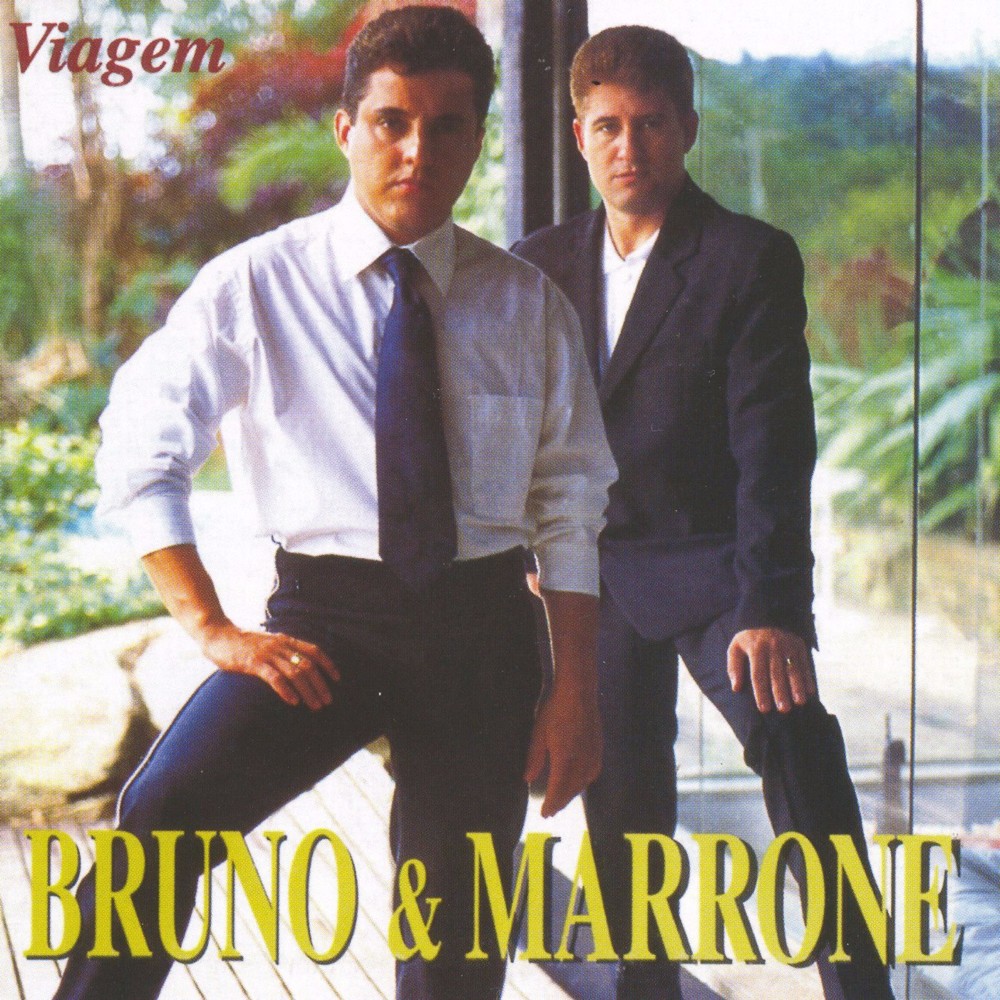
 View Artist