Song Meaning
The lyrics paint a stark picture of witnessing profound suffering and feeling utterly powerless. The narrator struggles to even look at the afflicted person, admitting, "Mir fehlt der Mut Dich anzuseh'n" (I lack the courage to look at you). This inability to confront the pain directly highlights the overwhelming nature of the situation, where the suffering is described as "traurig und fast tot" (sad and almost dead) and hidden behind "Angst" (fear) and "Tränen" (tears).
The central tension arises from the narrator's internal conflict: a desire to help versus an overwhelming sense of helplessness and the world's indifference. The narrator states, "Mein Herz weint vor Wut, hört auf damit" (My heart cries with rage, stop it), a desperate plea against the observed cruelty. Yet, this plea is met with ridicule: "Doch man lacht über mich" (But they laugh at me). This isolation amplifies the feeling of despair, suggesting the suffering is not only ignored but actively mocked.
A striking image is the "Stille die zum Himmel schreit" (Silence that screams to the sky), a powerful oxymoron capturing the unbearable, unheard agony. The lyrics suggest a pervasive "Grausamkeit" (cruelty) that the world passively observes: "Und wir sehen zu" (And we watch). The repeated phrase "Wir hab'n vergessen" (We have forgotten) points to a collective amnesia about basic humanity, a deliberate turning away from the truth that "will an's Tageslicht" (wants to see the light of day) but is met with inaction.
This piece resonates because it articulates a specific, agonizing form of bystander guilt. The narrator's sleepless nights ("Schlaf' ich nicht mehr gut") and the visceral reaction to the world's indifference create a palpable sense of unease. The writing effectively uses contrasting ideas – silent screams, hidden tears, forgotten humanity – to convey the depth of the tragedy and the narrator's profound distress in the face of it.
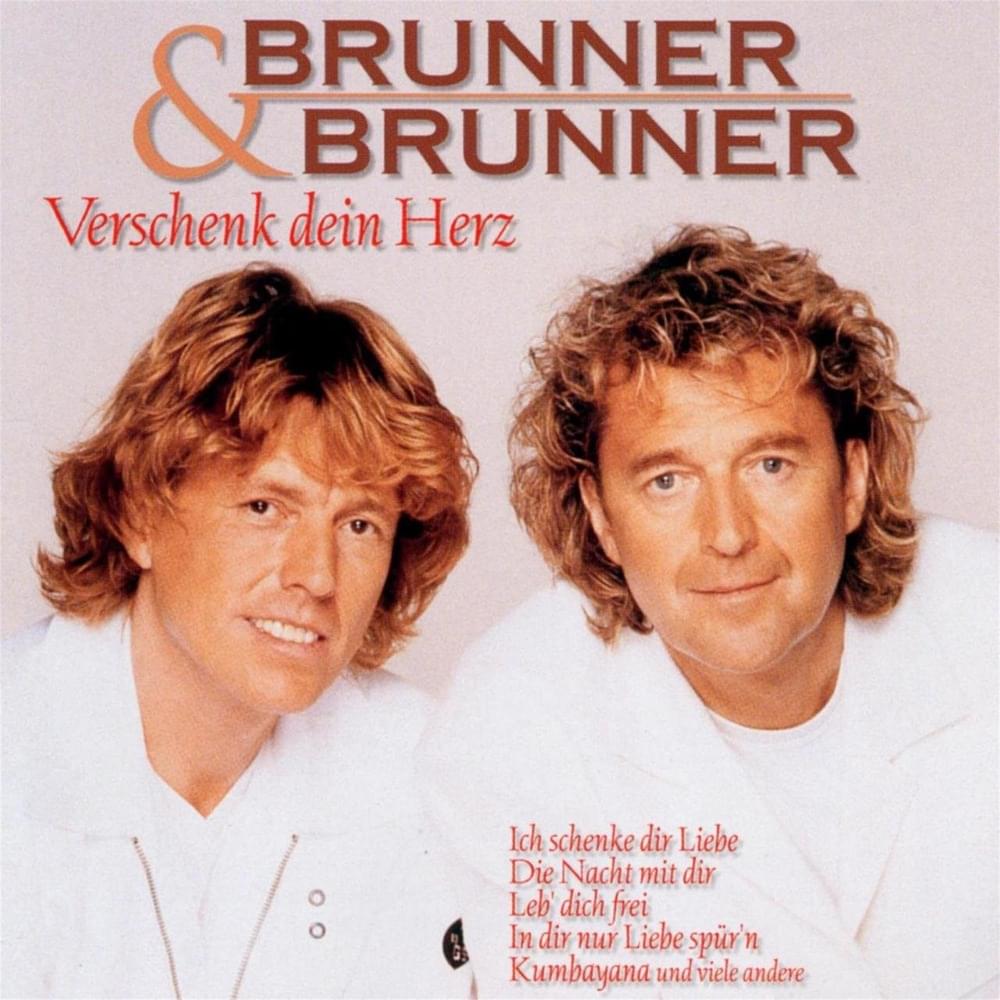
 View Artist