Song Meaning
Bruce Hornsby's "Heir Gordon" is a masterclass in character assassination through deceptively jaunty melody. The song skewers a trust-fund kid, Arthur Gordon, painting a portrait of grotesque privilege and moral bankruptcy. It's not just that Arthur inherited wealth; it's how he flaunts it, building shrines to himself (literally and figuratively with his eponymous restaurant) and reveling in the spectacle of his own importance. The repeated line, "His life sure looks good to me," drips with sarcasm, highlighting the vast chasm between outward appearances and inner rot. Hornsby isn't just mocking wealth; he's dissecting the entitled mindset it breeds.
The lyrics take a darker, more unsettling turn as the song progresses. The references to "funny acid" and "touching all the bases 'round the Cub Scout den" introduce a disturbing undercurrent of hedonism and potentially predatory behavior. This isn't just a critique of wealth; it's an indictment of the moral decay that can accompany unchecked power and privilege. The bizarre detail about "undergarments from a Mormon friend" adds another layer of surreal discomfort, suggesting a twisted sense of humor or a desperate attempt to shock and transgress.
The final verse, particularly the line "Got a lot of money but he ain't worth a damn," serves as the song's thesis. Arthur Gordon's wealth is ultimately meaningless because he lacks substance, empathy, and basic human decency. The concluding question, "Why's he doing all these things for me," is ambiguous, but it could be interpreted as a challenge to the listener. Is Arthur's behavior a cautionary tale? A twisted form of entertainment? Or a reflection of our own complicity in perpetuating systems of inequality and idolizing the wealthy, regardless of their moral character?
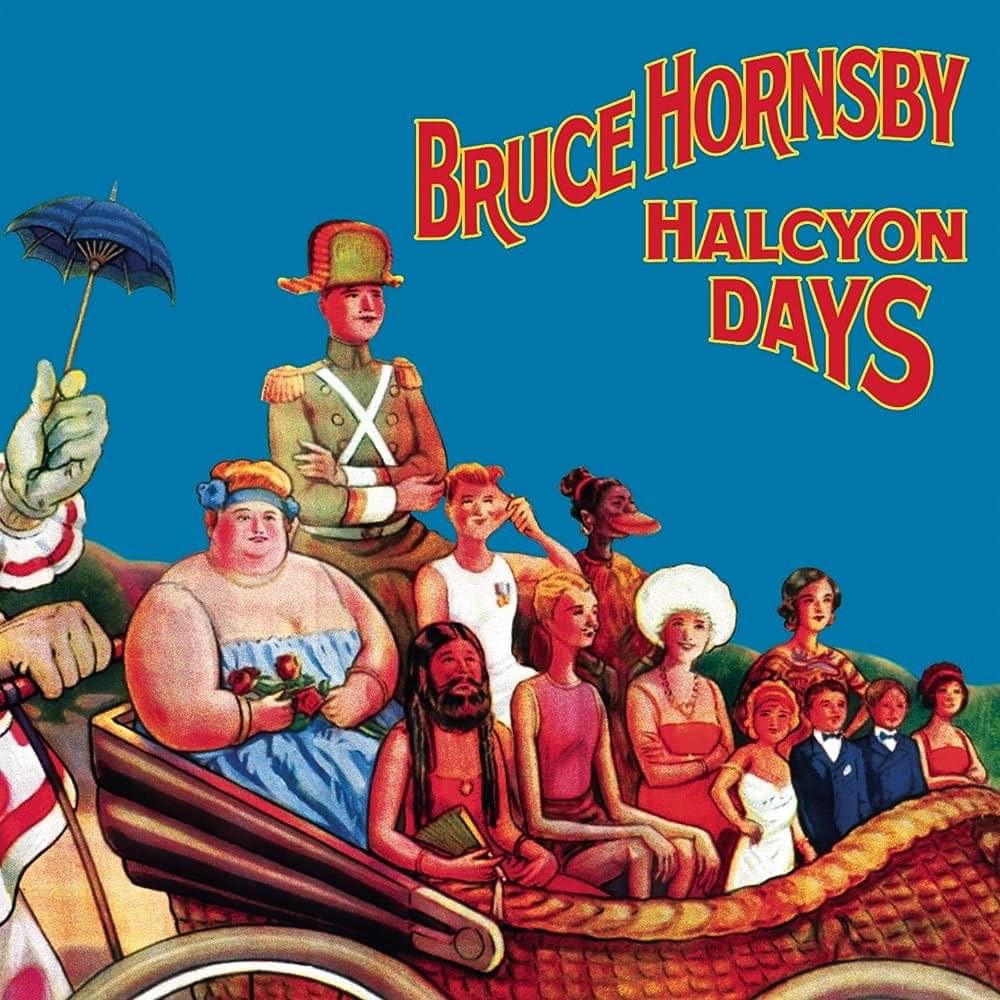
 View Artist