Song Meaning
The lyrics paint a picture of fleeting moments of connection and generosity amidst a backdrop of underlying sorrow. The opening lines suggest a conscious effort to "listen" and "feed a hungry child," hinting at acts of kindness that are not constant but occur "now and then." This deliberate "giving" is contrasted with breaking free from a "time-rusted padlock" of memory, implying a struggle to move past past burdens or perhaps a rediscovery of a lost capacity for simple generosity. The narrator seems to be observing or participating in these acts, caught between the impulse to help and a sense of being bound.
The core tension emerges in the second verse, where a seemingly warm invitation to "have dinner" with "lots of chicken" and "a hill of new potatoes" is undercut by a jarring question: "I wonder why they cry." The subsequent lines reveal a stark, almost detached explanation for the sorrow – "It was only a pair of shoes / I could not use." This juxtaposition of abundance and distress, followed by a seemingly trivial reason for tears, creates a profound sense of unease. It suggests that the suffering observed, or perhaps the narrator's own emotional state, is rooted in something deeply personal and perhaps unacknowledged by others, even when presented with comfort.
The most striking element is the deliberate use of the "Twinkle Twinkle Little Star" melody and lyrics. This childlike, familiar refrain, repeated with increasing intensity – "You are / You are / You are" – feels like a desperate attempt to grasp at something simple and constant in the face of confusion and pain. The narrator's "wonder" echoes the original song, but here it seems to carry the weight of the preceding verses, questioning not just the star's identity but perhaps the nature of the suffering, the meaning of giving, or the narrator's own place within these moments. The repetition of "You are" becomes an insistent, almost pleading affirmation, trying to anchor itself in the face of the unresolved sadness.
Ultimately, these lyrics resonate because they capture the disorienting experience of witnessing or feeling profound sadness without a clear, easily digestible explanation. The contrast between acts of giving and the persistent, unexplained sorrow, coupled with the childlike invocation of a familiar tune, creates a potent emotional landscape. It’s the feeling of being present for moments of both generosity and deep, quiet pain, and being left to "wonder" about the underlying truths that bind us and make us cry, even when presented with simple comforts.
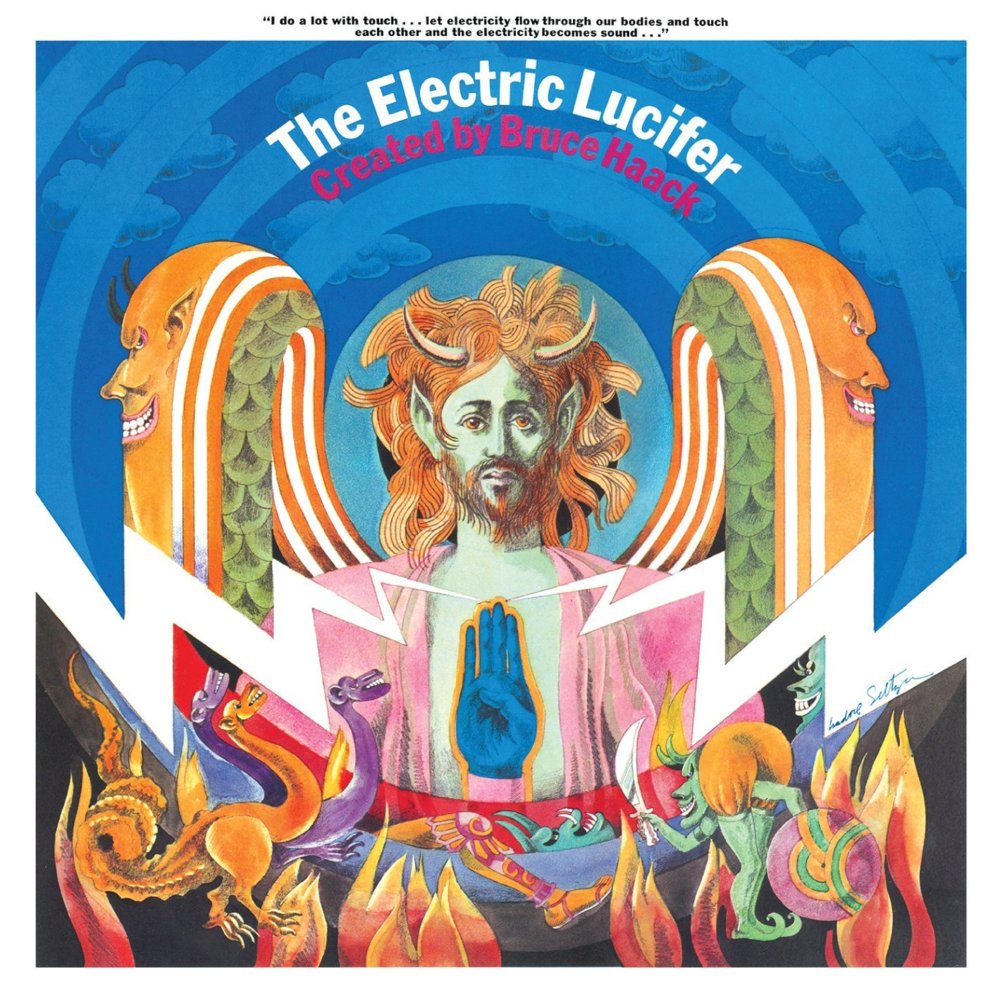
 View Artist