Song Meaning
The lyrics paint a vivid picture of a nomadic existence, a "vagabondage" that's less about hardship and more about a fluid, almost dreamlike movement. It's a "dance of the landscape," a constant state of being "on the road," accompanied by music played on "drum" and "flute." This journey feels less like a struggle and more like an inherent rhythm, like "water leaping from a fall."
The core tension lies in the juxtaposition of this perpetual motion with the anticipation of new life. The refrain introduces the idea of "another little gypsy" soon to arrive, destined to play "piano for the wanderers in the bistros of the moon." This suggests a lineage of travelers, a continuation of the nomadic spirit passed down through generations, finding beauty and community even in transient, imagined spaces.
The writing employs striking, almost surreal imagery to capture this feeling. The idea of "shipwreck" in the "cutting" of a "tour billon" feels like a subtle nod to the risks inherent in such a life, yet it's immediately followed by the word "vagabondage," grounding it in the chosen lifestyle. Later, "a sudden rain of light" transforms the travelers into "three fabulous clowns doing somersaults," a moment of pure, unadulterated joy and spectacle amidst the movement.
This constant motion, framed by whimsical and fantastical imagery, creates an intoxicating sense of freedom and possibility. The lyrics suggest that this "vagabondage" isn't just about moving from place to place, but about embracing a life lived in perpetual motion, finding wonder in the journey itself, and passing that spirit on. The final image of a "compass rose pointing to new shores" solidifies this outlook, emphasizing an endless horizon and the continuous allure of the unknown.
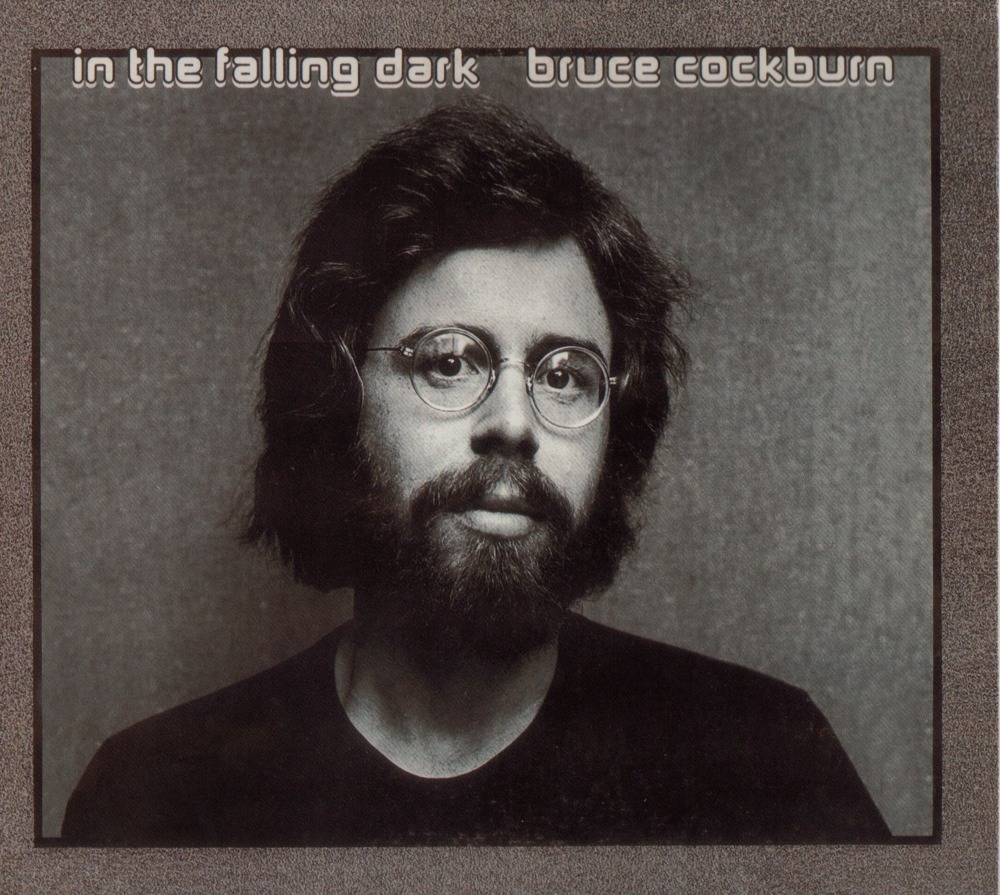
 View Artist