Song Meaning
The lyrics paint a picture of anticipation and intense personal desire. The narrator waits, perhaps for a change or a revelation, feeling a sense of urgency as they repeat "En courant." This initial feeling of being in motion contrasts with the static "Bouche-bée" city, which seems to absorb the vastness of the "voie lactée," highlighting a disconnect between the external world and the narrator's internal state. The core of the feeling is encapsulated in the self-description: "Je suis un homme brûlant."
The central tension arises from this internal fire meeting an external object of desire. The narrator is "brûlant," consumed by a passion that seems to be ignited by a call from someone described as "Habillée / Des arcs en ciel." This figure represents something radiant and perhaps ephemeral, drawing the narrator further into their burning state. The repetition of "Et je brûle" emphasizes the overwhelming and perhaps consuming nature of this feeling.
The most striking craft element is the transformation and metaphorical language used to describe the narrator's yearning. From "homme brûlant," they shift to "Une rivière" that flows towards "l'ocean que je cherche." This imagery suggests a powerful, natural force of attraction, where the individual becomes a conduit for a larger, sought-after entity. The contrast between the burning man and the flowing river, both driven by an intense need, is compelling.
These lyrics resonate because they capture a raw, almost elemental sense of longing and transformation. The progression from a state of anxious waiting to becoming a flowing river in pursuit of an ocean conveys a profound, almost spiritual quest for connection. The simple, direct language, combined with potent natural imagery, makes the narrator's intense emotional state feel both deeply personal and universally understood.
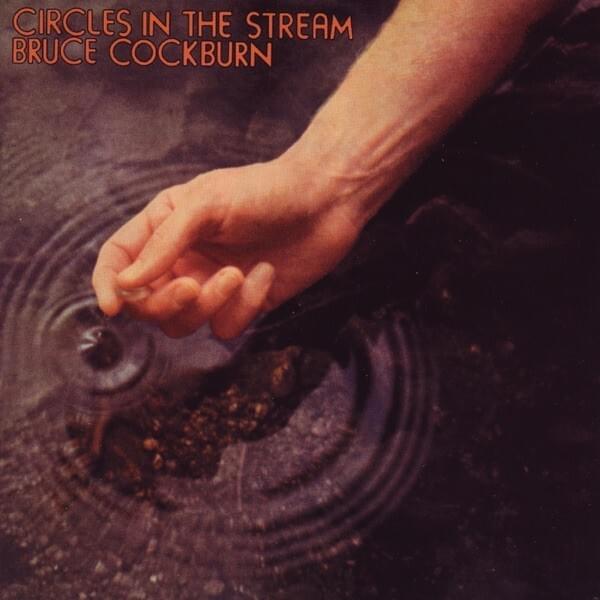
 View Artist