Song Meaning
The narrator recounts a past rejection, emphasizing his inability to reciprocate feelings he didn't possess. He states plainly, "I did not love her," framing his actions as a necessary, albeit painful, honesty. The phrase "pissed and hurting" captures the immediate aftermath for the woman, highlighting the emotional cost of his truth. The recurring line, "But it's different when it comes to you," acts as a pivot, introducing a new dynamic.
This new dynamic is one of profound personal vulnerability and desire, starkly contrasting with the earlier detachment. The narrator expresses a yearning to "turn loose my lust" and be held tightly, admitting, "I bring you my broken self / With zero hidden from your view." This admission is significant because he notes, "I don't usually do that," revealing a rare openness.
The lyrics masterfully employ contrast to underscore this shift. The first verse details a situation where the narrator enforced boundaries due to a lack of romantic feeling, while the third verse showcases an overwhelming urge to surrender those same boundaries. The imagery of "lamentations" and colors turning "to blue" in the second verse paints a picture of sorrow, but this sorrow is externalized, a reaction to the narrator's previous stance. The narrator's own emotional landscape only truly surfaces when he addresses "you."
What makes these lyrics resonate is the raw portrayal of emotional inconsistency, not as a flaw, but as a powerful response to a specific connection. The narrator's confession of actions he "didn't know I could do" suggests that this new relationship unlocks a part of himself previously inaccessible. The repeated, yet contextually distinct, use of "it's different when it comes to you" anchors the song's emotional core in this singular, transformative experience.
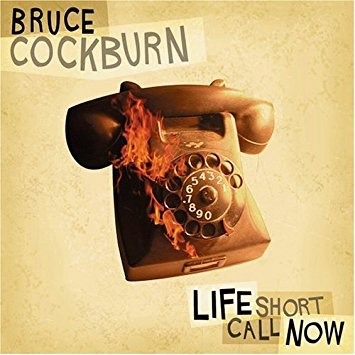
 View Artist