Van Helsing’s Diary / Monsters
Song Meaning
The lyrics present a stark, almost clinical observation of a world populated by 'monsters,' a term that feels less like a fantastical creature and more like a descriptor for deeply flawed or dangerous individuals. The repeated phrase, "They are not like us," establishes an immediate, chilling distance between the narrator and these figures, suggesting a fundamental difference in nature or morality. This isn't a story of good versus evil in a traditional sense, but rather an acknowledgment of separate, perhaps irreconcilable, existences. The central tension arises from this perceived separation. The narrator acknowledges the presence and actions of these 'monsters' without necessarily expressing fear or revulsion, but rather a detached recognition. The lyrics seem to imply a world where such beings exist openly, and the narrator's role is simply to observe and categorize them. This creates an unsettling atmosphere, where the extraordinary is treated as ordinary, and the monstrous is simply a classification. The most striking aspect of the writing is its declarative, almost reportorial tone. There's no emotional outpouring, no plea for help or understanding. Instead, the lyrics function like entries in a ledger or a scientific observation log, detailing the existence of these 'monsters' and their defining characteristic: "They are not like us." This deliberate lack of emotional engagement amplifies the inherent strangeness of the subject matter, making the pronouncements feel even more potent and unnerving. Ultimately, the effectiveness of these lyrics lies in their stark simplicity and the unsettling implication of their detached perspective. By presenting the existence of 'monsters' as a simple fact, the writing forces the listener to confront the idea of inherent otherness and the potential for profound, unbridgeable divides between people. It’s the quiet acknowledgment of the monstrous that makes it so impactful.
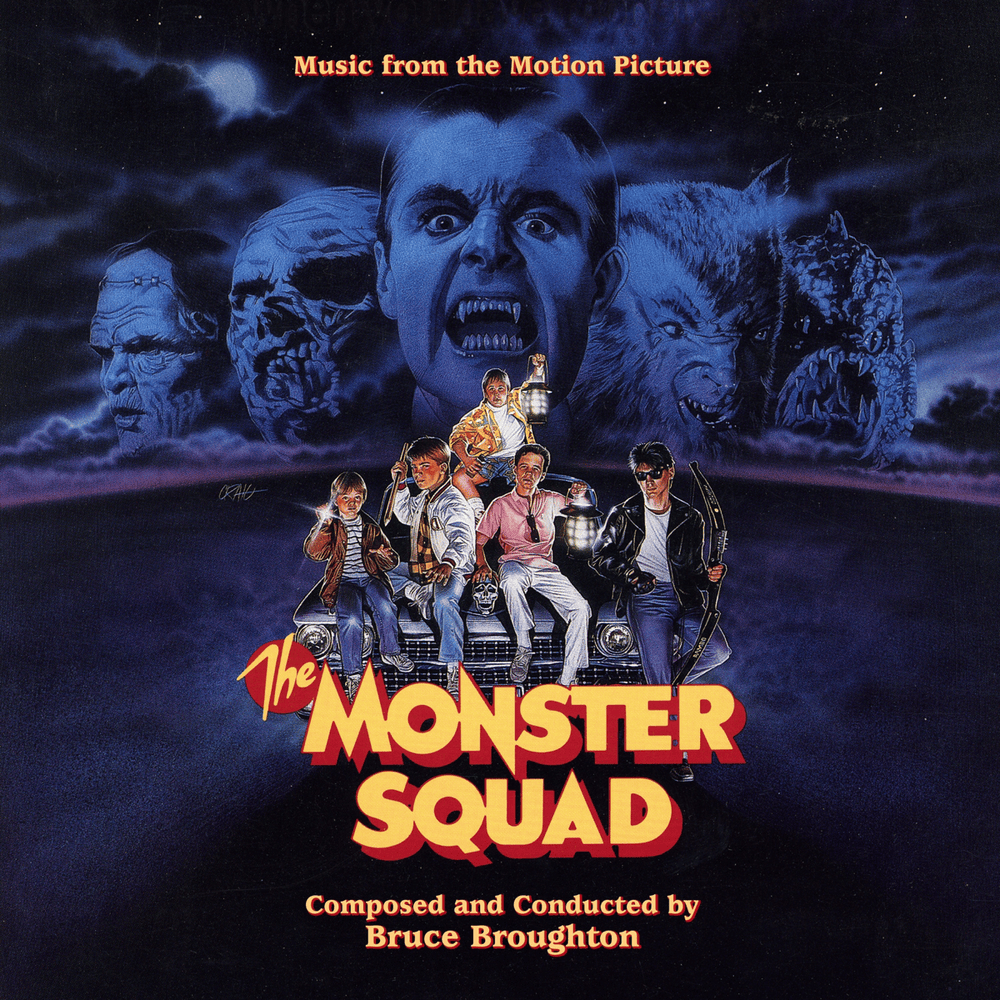
 View Artist
Lyrics
[Instrumental]
Rate this song
0/5.0 - 0 Ratings
Loading comments...
Credits
- Writers
- Bruce Broughton