Song Meaning
The lyrics paint a picture of a fractured family unit, where the narrator feels disconnected and overlooked. There's a palpable sense of longing for belonging, a desire to be seen and heard amidst the chaos. The repeated phrase "I don't want to be alone" underscores this central theme of isolation within the family structure. It suggests a yearning for genuine connection that seems absent.
The dominant emotional tension arises from the contrast between the outward appearance of family and the internal reality of loneliness. The narrator observes others, perhaps siblings or other family members, who seem to have found their place, while they remain on the periphery. This creates a quiet desperation, a plea for inclusion that goes unanswered.
The craft here is subtle but effective. The simplicity of the language, particularly the direct plea "I don't want to be alone," makes the emotional weight even heavier. It’s not a complex metaphor, but a raw, unvarnished expression of need. The lack of specific details about the family’s activities or interactions forces the listener to focus on the narrator’s internal state, amplifying the feeling of isolation.
Ultimately, these lyrics resonate because they capture a universal feeling of not quite fitting in, even within the most intimate of circles. The narrator’s quiet struggle highlights how emotional distance can exist even when people are physically together. The power lies in its understated portrayal of a profound human need for connection and acceptance.
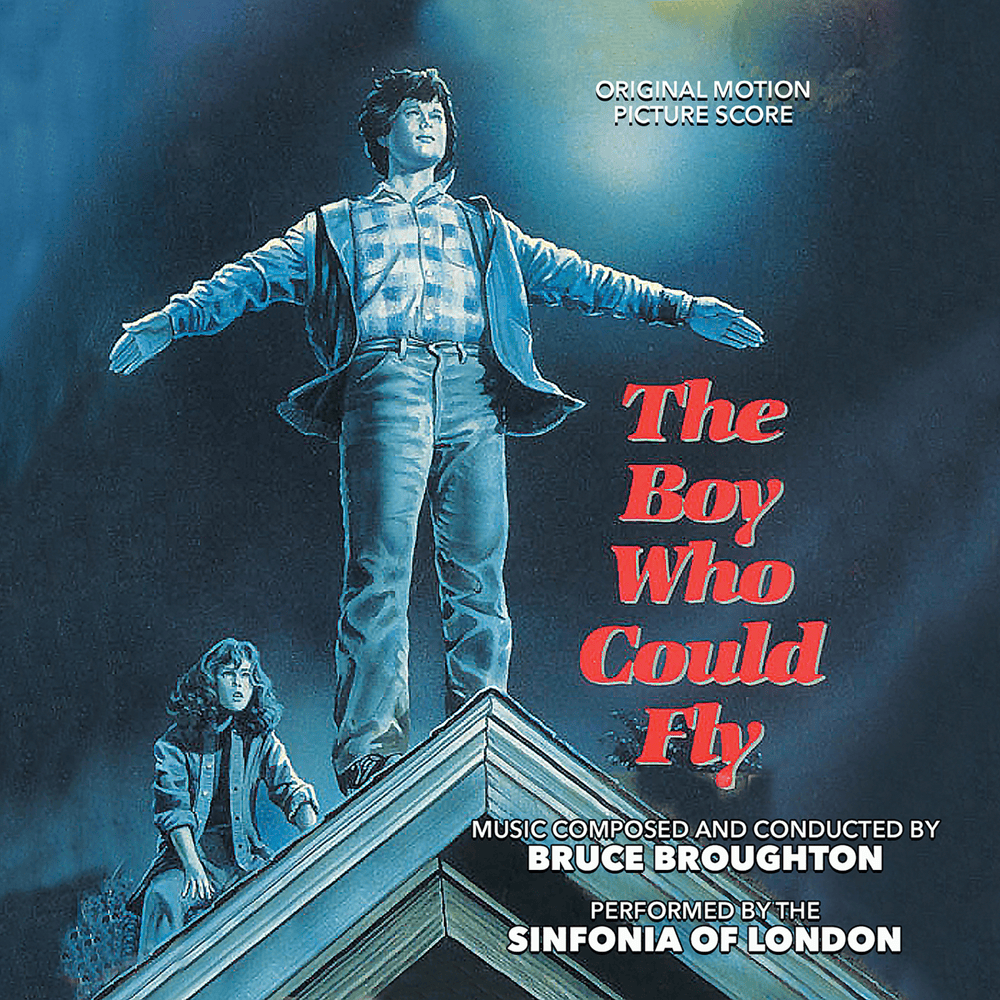
 View Artist