Song Meaning
The narrator is trapped in a cycle of memory and present reality, haunted by the ghost of a past relationship. They walk the familiar streets of their hometown, where the presence of a loved one feels palpable, only to be jolted back to solitude. This constant oscillation between imagined togetherness and stark aloneness forms the core emotional tension, making the refrain's declaration of "Can't stop loving you" feel less like a choice and more like an inescapable condition.
The lyrics paint a vivid picture of this internal struggle through the recurring motif of looking and then looking away. The leaves falling and the act of walking up and down the hometown streets establish a sense of melancholic passage of time and rootedness, but it's the fleeting nature of the loved one's presence that truly defines the experience. The narrator experiences the relationship as it "used to be" only to "look around and then I'm on my own again," a painful, repeated vanishing act that underscores their inability to move forward.
The most striking aspect of the writing is how the refrain, "Can't stop loving you," functions as both an anthem of devotion and a confession of helplessness. The phrase "Made me part of you" suggests a profound, perhaps irreversible, entanglement, leaving the narrator unable to disentangle their identity or desires. The external judgment, "I heard some people say / I'm dreaming my life away," highlights the perceived futility of their emotional state, yet the narrator's resigned question, "What else can I do," solidifies the sense that this loving, this dreaming, is their only available reality.
This lyrical construction is effective because it captures the disorienting nature of grief or profound loss. The constant return to the same emotional and spatial points – the hometown, the memory, the feeling of presence followed by absence – mirrors the way obsessive thoughts can trap someone. The simple, direct language of the refrain, repeated with unwavering insistence, makes the narrator's predicament feel both deeply personal and universally understood by anyone who has struggled to let go of a love that no longer exists in the present.
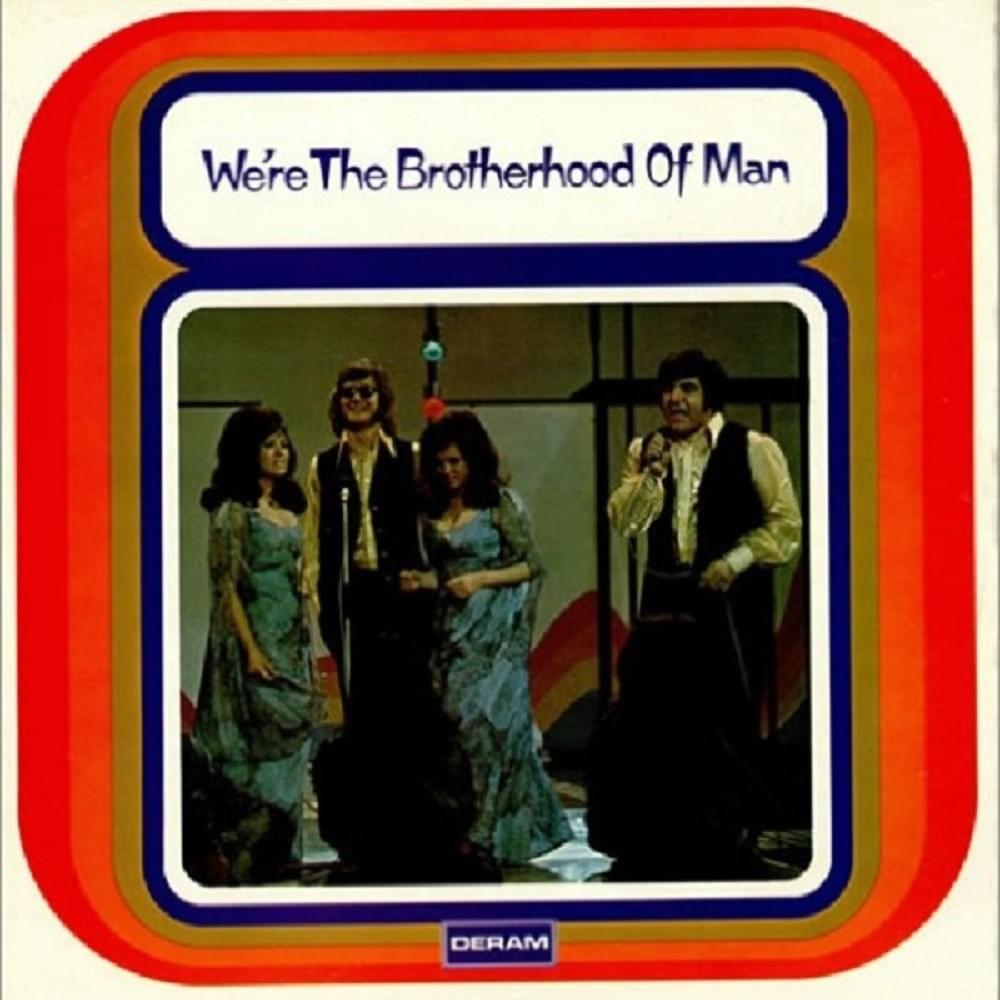
 View Artist