Song Meaning
The lyrics paint a picture of someone who was deeply cared for, but never truly seen. The narrator recounts being treated with affection, "draped in pink with a drawer full of blue," evoking a sense of childlike innocence and perhaps a prescribed femininity. This care felt genuine, described as being loved "like your own baby" and "like a sweet little lady." Yet, a core tension emerges: despite this loving environment, the narrator consistently felt a disconnect, stating, "I never felt like a woman to you."
The central conflict lies in this unmet expectation of adult recognition. The narrator acknowledges the positive aspects of the relationship, appreciating the safety and gifts received, "I've come a long, long way with the things that you gave me." This gratitude is sincere, but it doesn't erase the fundamental feeling of being misunderstood. The "bubble you made me" suggests a protective, perhaps infantilizing, environment that, while safe, prevented the narrator from being perceived in their full adult identity.
The repeated phrase, "Like a woman to you," acts as a poignant refrain, highlighting the persistent gap between the narrator's internal sense of self and how they were perceived by the other person. It’s not about rejecting the care received, but about the specific way that care was framed – as something for a child or a "lady," rather than an adult woman. This subtle distinction underscores a desire for a different kind of acknowledgment, one that recognizes maturity and full personhood.
Ultimately, the effectiveness of these lyrics stems from their quiet, understated expression of a profound emotional need. The contrast between the outward appearance of being well-cared-for and the internal feeling of being unseen creates a relatable ache. The narrator’s appreciation for the past care, coupled with the persistent feeling of not being recognized as a woman, makes the sentiment resonate deeply, capturing a specific kind of relational disappointment.
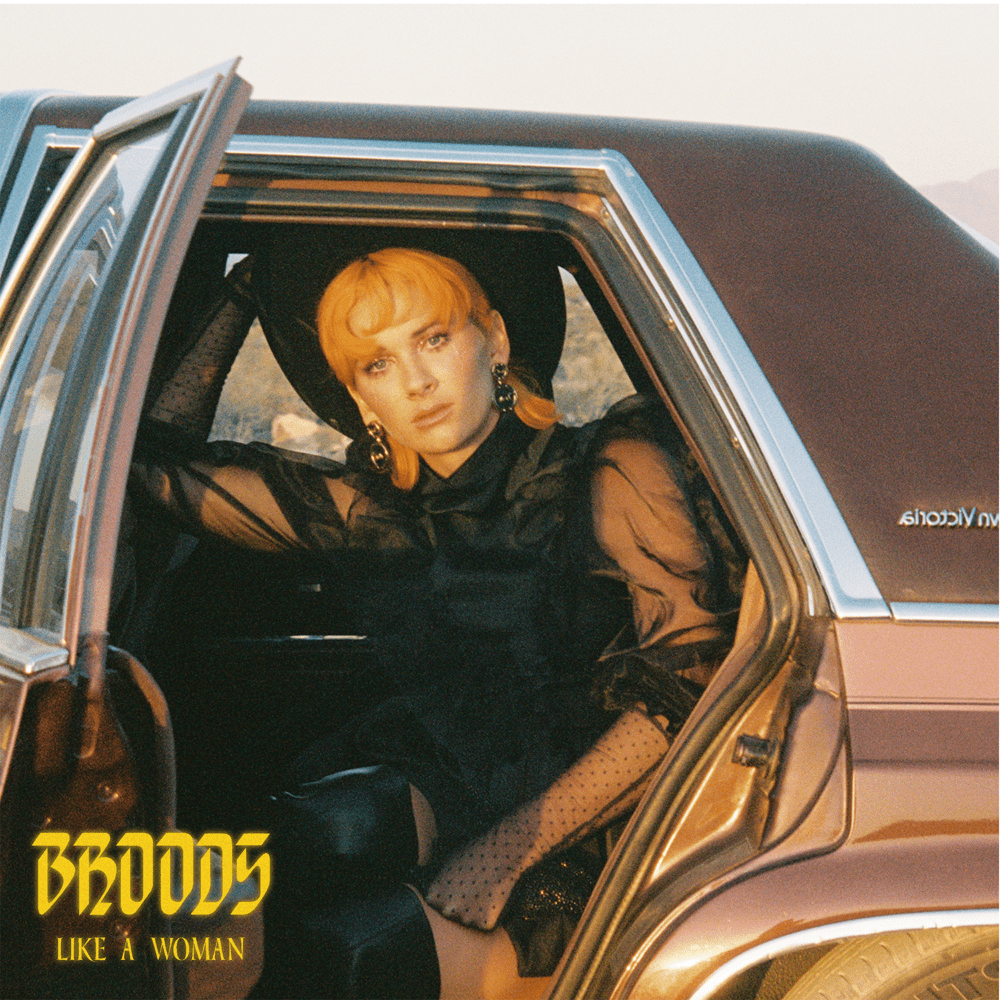
 View Artist