Song Meaning
The narrator finds himself in a tough spot, a month into unemployment with no money to spare. This financial hardship prevents him from even taking his love interest out for a simple walk, highlighting a stark contrast between his desires and his current reality. He wishes he had god-like powers to gift the heavens or kingly status for a throne, but he's grounded, admitting he's "just a man" who can't "take off from the ground."
The core tension lies in the narrator's deep affection and desire to provide versus his inability to do so materially. He reassures his love that he hasn't forgotten her, attributing his situation to bad luck. This isn't a lack of feeling, but a frustrating circumstance that limits his actions. The repeated desire to be something more powerful – a god, a king – underscores his feeling of powerlessness in the face of his financial woes.
The most striking craft element is the recurring motif of wanting to give grand gifts (heaven, a throne) contrasted with his actual offering: "No tengo mas que esta canción / Y un corazon lleno de amor." This simple song becomes the ultimate expression of his feelings when material possessions are out of reach. The lyrics then pivot, suggesting that even his physical presence and past intimacy ("mi lecho / De aquello que recuerdo / Te hacia enloquecer") are part of what he offers, adding a layer of personal intimacy to his limited resources.
This song hits hard because it taps into the universal frustration of wanting to lavish someone with affection and gifts but being held back by circumstances. The narrator's vulnerability in admitting his lack of money, his longing to be more, and his ultimate offering of his song and memories creates a potent, heartfelt plea. It's a raw, honest expression of love that transcends material wealth, making the simple song a profound gesture.
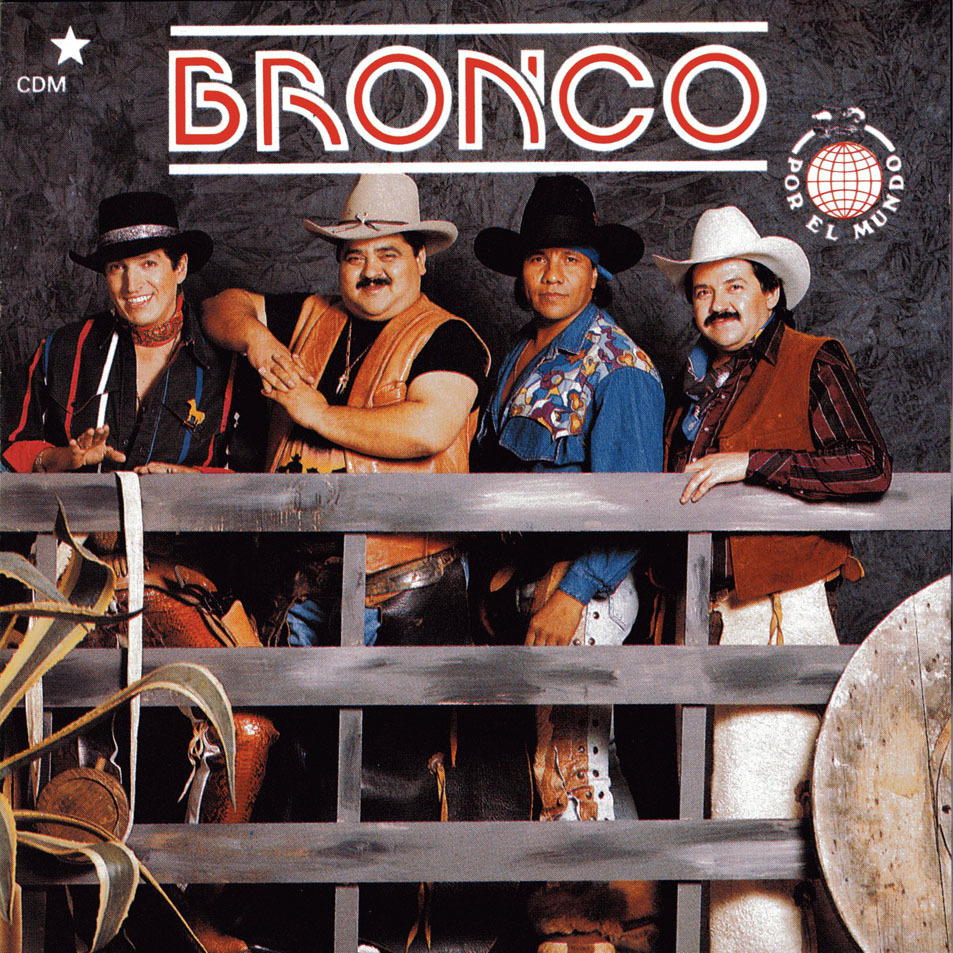
 View Artist