Song Meaning
The lyrics paint a stark picture of emotional devastation, comparing the speaker's broken spirit to shattered glass. The dominant tone is one of profound weariness and resignation, as the speaker pleads for an end to further pain. The repeated phrase "Conmigo ya no" (With me no more) acts as a desperate, final boundary, a plea to cease the inflicting of wounds.
The central conflict lies in the speaker's inability to break free from a destructive love, even as they recognize the futility and agony of it. They acknowledge that past hurts have already left deep "espinas" (thorns), making further injury unnecessary and unbearable. This suggests a cycle of pain where the current relationship exacerbates existing emotional scars, leading to a state of near-total depletion.
The imagery of "espinas" is particularly potent, representing deep, difficult-to-remove wounds from previous "malos amores" (bad loves). The narrator states, "Si otros malos amores clavaron espinas" (If other bad loves have driven in thorns), implying that the current partner's actions are adding to an already unbearable burden. The heart has bled so much that the speaker can no longer endure, wishing only to "morir en paz, queriendote" (die in peace, loving you), a heartbreaking paradox.
This lyrical construction is effective because it grounds abstract emotional pain in concrete, visceral imagery. The contrast between the speaker's desire for peace and their persistent love creates a powerful sense of tragic entrapment. The repeated pleas and the final, weary wish to be left alone to die while still loving highlight the depth of the speaker's suffering and their complete exhaustion.
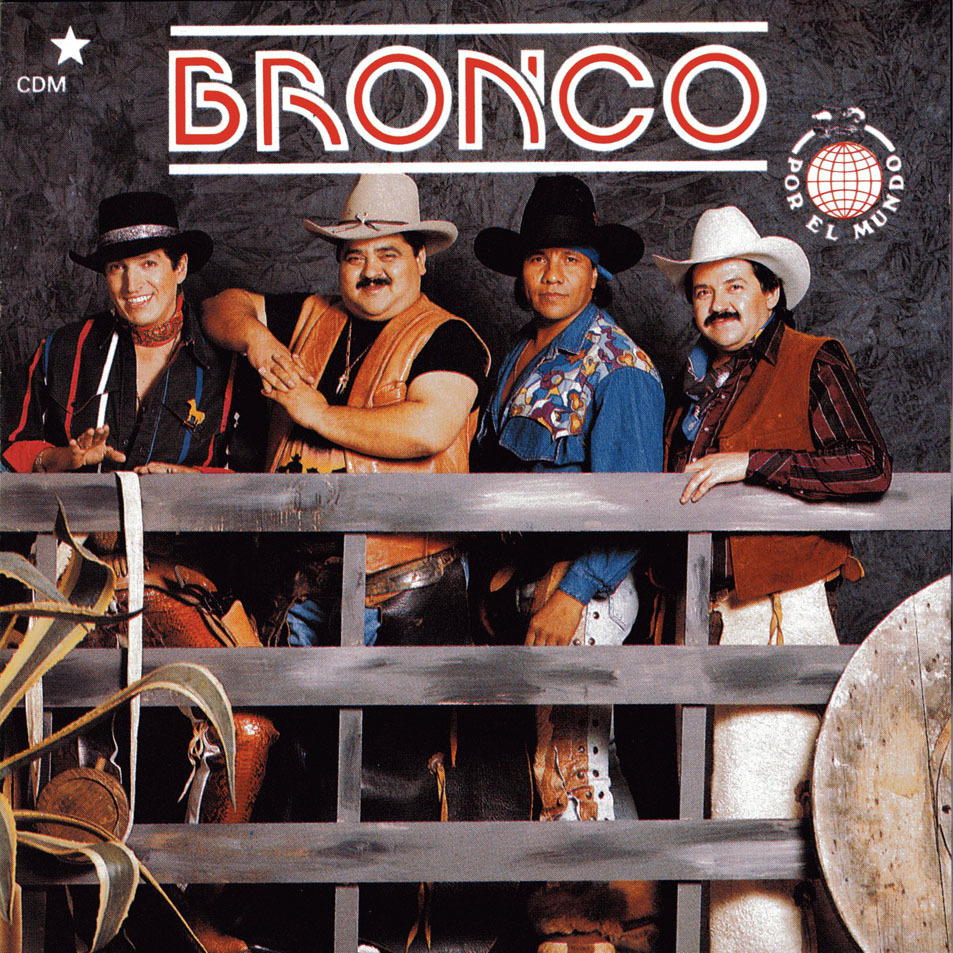
 View Artist