Song Meaning
The narrator is caught in a loop of passive existence, repeatedly stating "I dream my days away." This isn't about active dreaming, but a more melancholic drifting, a conscious decision to "just let them pass." The opening lines establish a tone of resigned detachment, a stark contrast to the usual drive and ambition associated with youth. The repetition hammers home this feeling of stasis, suggesting a deep-seated inertia that the narrator isn't necessarily fighting.
The core tension lies in the narrator's deliberate withdrawal from external engagement and understanding. They explicitly ask others "don't try to understand me," reinforcing a sense of isolation and perhaps a fear of judgment or a lack of desire to be truly seen. This self-imposed disconnect is framed as a form of "make believe," hinting that this passive state might be a coping mechanism or an escape from a reality they find overwhelming or unappealing. The lyrics suggest a quiet rebellion against the expectations of how one should live, especially "while I'm still young."
The most striking aspect of the craft is the relentless repetition of the central phrase, "I dream my days away." This isn't just a hook; it's the entire lyrical landscape. The lack of complex imagery or narrative allows the sheer weight of the repetition to convey the narrator's emotional state. The phrase itself, initially sounding almost whimsical, takes on a heavier, more somber meaning through its constant return, mirroring the cyclical nature of the narrator's experience. The simple, direct language amplifies the feeling of being stuck.
This lyrical approach is effective because it mirrors the very experience it describes: a feeling of time slipping by without active participation. The absence of external conflict or detailed storytelling forces the listener to focus on the internal state of the narrator. It creates an atmosphere of quiet melancholy and introspection, making the listener feel the weight of unrealized time and the subtle ache of passive observation. The song doesn't offer solutions, but rather a stark, honest portrayal of a particular kind of emotional stasis.
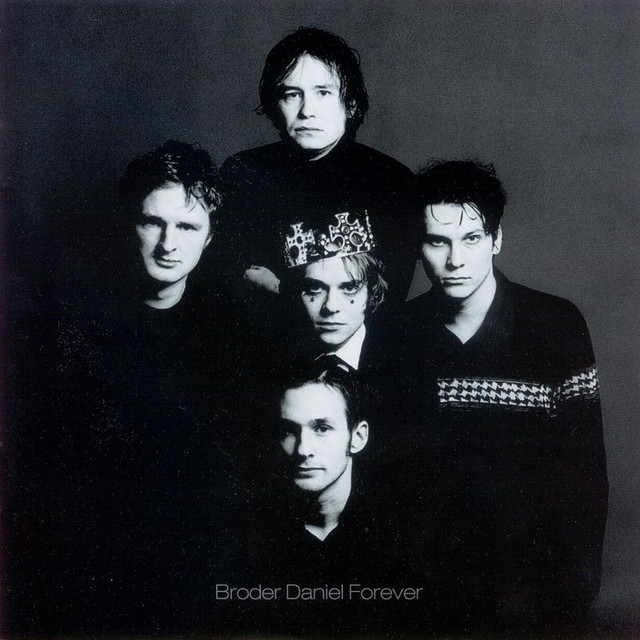
 View Artist