Song Meaning
The narrator feels trapped in a cycle of creative stagnation and emotional despair, despite outward appearances of progress. The opening lines, "This riff is temporary. We're going nowhere," immediately establish a sense of futility. The repeated phrase "We're going nowhere" acts as a grim mantra, underscoring the lack of forward momentum. This feeling is amplified by the narrator's internal struggle, admitting, "I can't stop writing the same song my friend." The contrast between the desire to "start again" and the inability to break free from familiar patterns creates a palpable tension.
The core conflict lies in the narrator's disillusionment versus a companion's persistent optimism. While the narrator laments, "I'm sick of singing these songs" and feels burdened by "the sorrow," the other person offers encouragement, suggesting "It sounds better than before." This creates a dynamic where one seeks escape from a repetitive, hollow existence, while the other seems content or perhaps willfully blind to the underlying problem. The plea to "break this silence" suggests a desperate need for genuine change, but the narrator's own admission of writing "same lies" and playing "same chords" reveals a self-imposed limitation.
The lyrics masterfully use repetition not just to convey the theme of being stuck, but to embody it. The numerical count "1,2,3,4" feels like a forced attempt at structure or a countdown to nothing, mirroring the feeling of going "nowhere." The internal rhyme and near-rhyme, like "mind" and "friend," and "silence" and "list," create a slightly off-kilter, anxious rhythm that reflects the narrator's mental state. The stark dichotomy of "You get the hope and I keep the sorrow" is a powerful, concise articulation of their diverging emotional realities.
Ultimately, the effectiveness of these lyrics stems from their raw honesty about creative and emotional paralysis. The narrator isn't just describing being stuck; they are *performing* it through the very structure and language of the song. The admission of "writing the same song" becomes a meta-commentary on the lyrical content itself, making the listener feel the weight of this inescapable loop. It’s a poignant portrayal of the frustration that arises when the desire for newness clashes with the inertia of habit and despair.
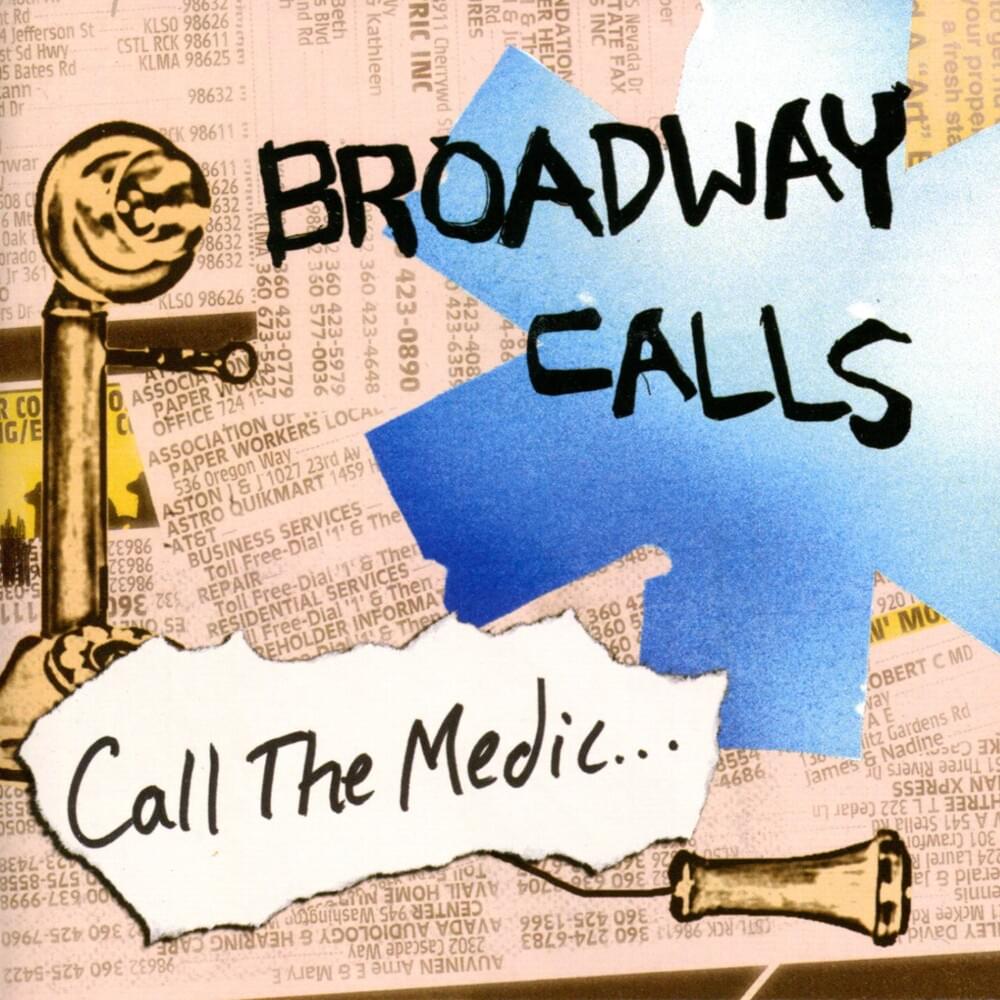
 View Artist