Song Meaning
The lyrics paint a chilling picture of generational conflict and a daughter's grim liberation. The opening verse sets a somber scene, contrasting a mother's stagnant boredom with her daughter's vibrant growth in the sun. This immediately establishes a tension between the two figures, hinting at an unhealthy dynamic where the mother is confined while the daughter thrives independently. The repeated phrase "Mother seeds are dangerous" acts as a stark warning, suggesting that the very essence or influence of the mother is toxic.
The central tension escalates with the narrator's vow to "cut the roses" and "chop off all their heads." This violent imagery suggests a radical severing of ties and a rejection of the mother's legacy or control. The act of cutting roses, traditionally associated with beauty and care, is twisted into an act of destruction, reinforcing the idea that the mother's influence must be eradicated. The second verse deepens the sense of unease, with the narrator telling the mother to "enjoy the worms" soaked in spite, a dark and bitter image that highlights the narrator's profound resentment.
The most striking craft element is the subversion of the familiar nursery rhyme "Ring Around the Rosie" and the phrase "paint your roses red." The narrator explicitly states, "I won't go to rake or sow or / Paint your roses red," directly rejecting a nurturing, perhaps even beautifying, role. This refusal, coupled with the finality of "Now you're dead," signifies a complete and brutal break from the maternal bond. The lyrics suggest a narrative where the daughter, burdened by a destructive maternal influence, takes extreme measures to ensure her own freedom and survival.
Ultimately, the effectiveness of these lyrics lies in their stark, almost clinical, depiction of familial trauma and the extreme measures taken to escape it. The contrast between the daughter's vibrant "sun" and the mother's "bored" sideboard, the menacing "mother seeds," and the violent imagery of cutting roses all combine to create a powerful and unsettling emotional landscape. The narrator's final rejection of traditional nurturing roles, delivered with such cold finality, leaves a lasting impression of a hard-won, albeit dark, liberation.
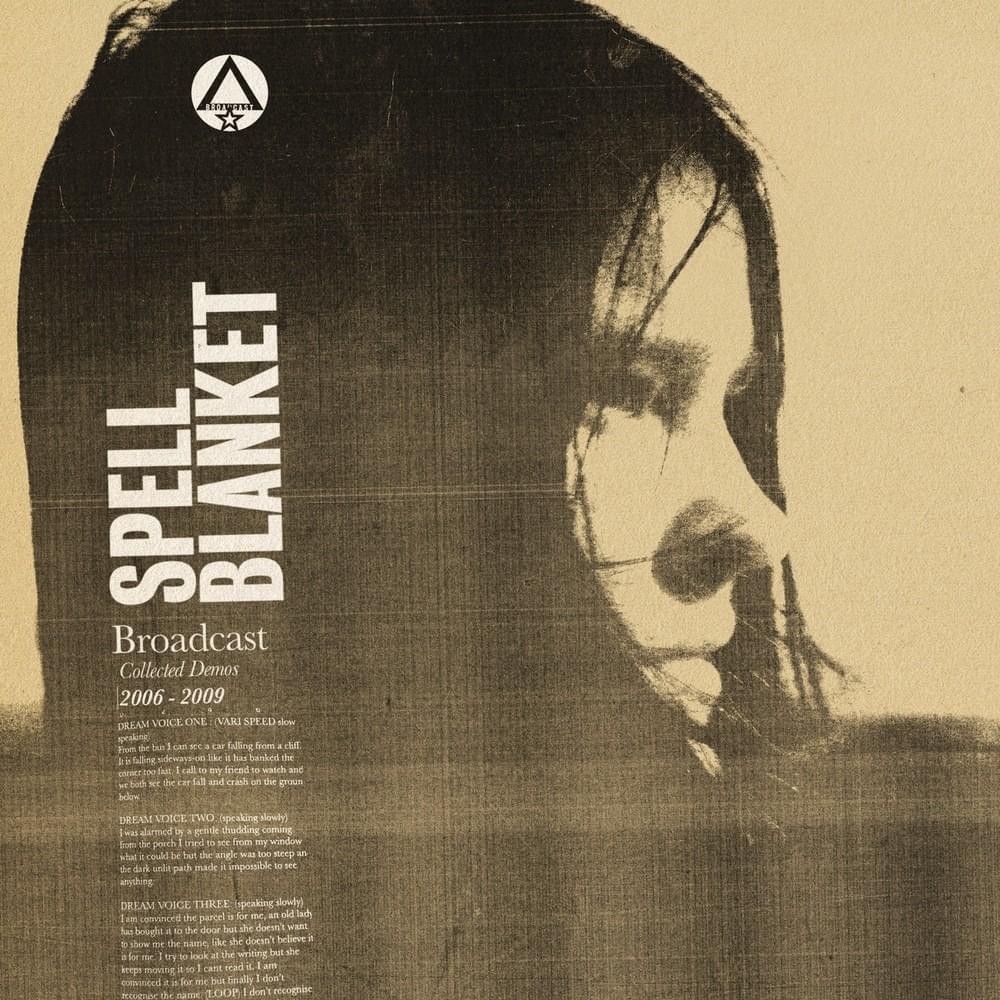
 View Artist