Song Meaning
Brittany Howard's "Tomorrow (BADBADNOTGOOD Remix)" is less a straightforward promise of self-improvement and more a raw, cyclical reckoning with personal agency. The lyrics, set against BADBADNOTGOOD's signature hazy soundscape, explore the tension between escaping destructive patterns and the frustrating inertia that keeps us bound to them. The opening lines, "I found myself free from another / To walk into another," immediately dismantle any notion of easy liberation. Howard isn't celebrating newfound freedom; she's acknowledging a wearying pattern of transition, a lateral move rather than an ascent. The acknowledgment that she's "only free as I remember" highlights the psychological weight of past experiences and the difficulty of truly shedding old identities. The "rituals" she mentions suggest coping mechanisms or perhaps even unhealthy relationship dynamics that, while familiar, ultimately stifle growth.
The pre-chorus and chorus reveal the core conflict: the desire for change versus the paralyzing reality of the present. "Tomorrow, I'll be better" is a mantra, a hopeful projection, but the subsequent lines, "Now that we're here / Without liftin' a finger / How you figure / We get lifted," expose the emptiness of that promise without corresponding action. There's a biting sarcasm in Howard's delivery, a self-aware critique of empty platitudes and the passive expectation of improvement. The repeated questioning – "Now that we're here, what you gon' do with it?" – becomes a challenge, not just to herself but to the listener, demanding accountability in the face of stagnant circumstances.
The call-and-response section further deepens the song's meaning, presenting a fragmented conversation that exposes the multifaceted barriers to progress. The responses – "What the fuck?," "All the love," "Not enough," "All of us," "Get up, get up" – paint a picture of disillusionment, longing, inadequacy, collective responsibility, and ultimately, a desperate call to action. The final lines, "And tomorrow, I ain't talkin' 'bout tomorrow," signify a turning point, a rejection of the deferred hope that has been the song's central theme. Howard seems to be arriving at a point where she recognizes that true change demands a confrontation with the present, a shedding of illusions, and a willingness to actively disrupt the cycles that hold her back. The song, therefore, is less about the promise of a better future and more about the urgent necessity of engaging with the difficult realities of the present.
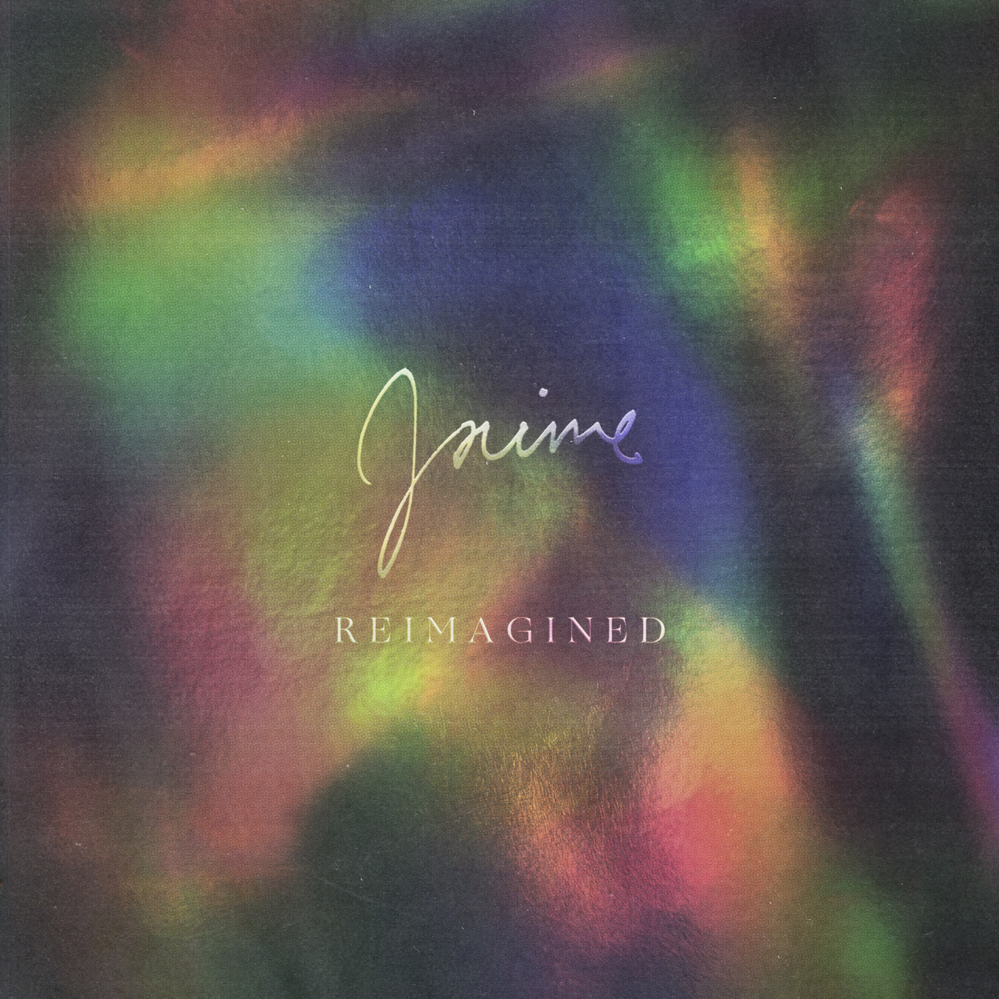
 View Artist