Song Meaning
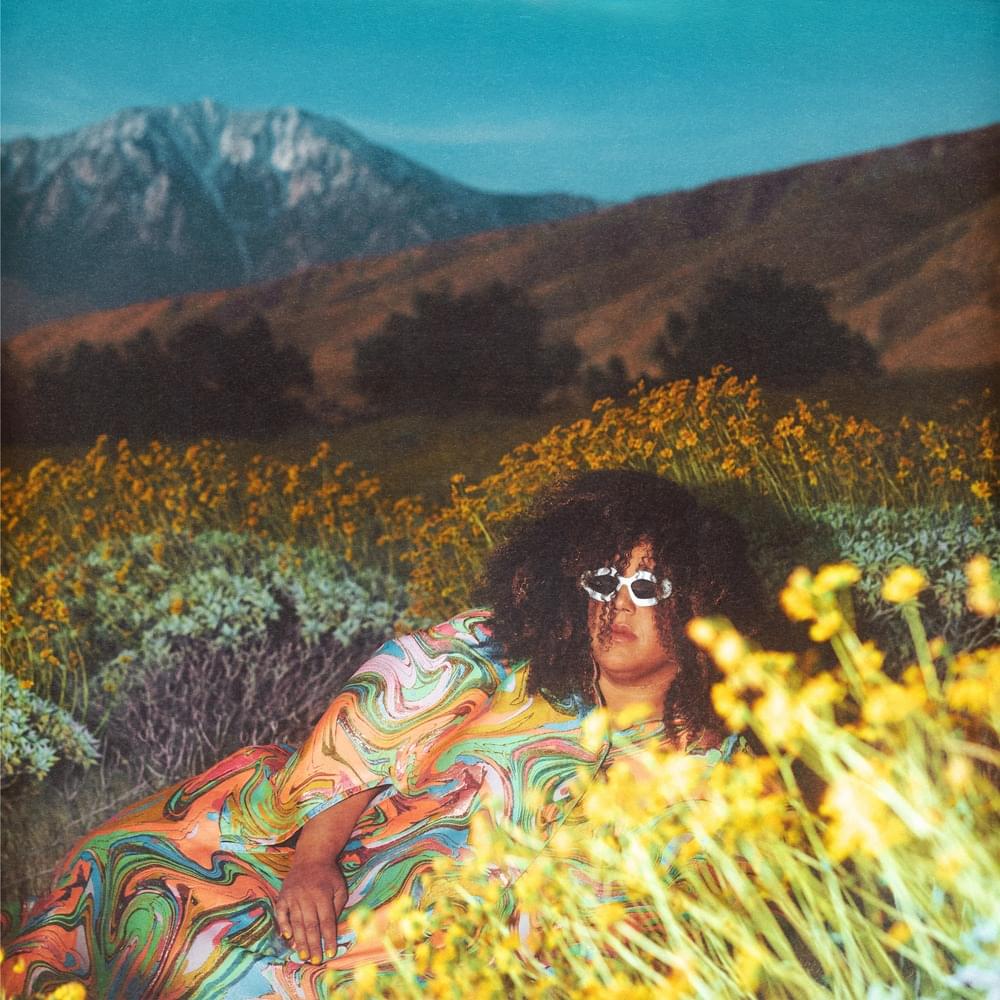
Brittany Howard's "To Be Still" isn't just a song; it's a concentrated dose of longing, distilled into a minimalist meditation. The lyrics paint a vivid picture of yearning, transforming the singer into a flower, utterly dependent on the affections of another. The fantasy is clear: trading the complexities of human relationships for the simple, unwavering care a gardener provides. The opening lines, "I daydream to be a flower in your garden / I'd drink your hose-pipe water," aren't merely whimsical. They expose a deep-seated desire for uncomplicated devotion, for a love so assured it quenches a fundamental thirst. The central image of the flower isn't accidental; it speaks to vulnerability and a willingness to be utterly exposed and reliant on another's nurturing hand.
But the brilliance of "To Be Still" lies in its chorus. The repetition of "To be still" becomes a mantra, a desperate plea for inner peace found through external validation. Howard isn't just singing about wanting to be loved; she's craving the stillness that comes with feeling completely secure in that love. The question, "I wonder if I didn't have to wonder?" hints at the anxiety underlying the desire – the constant questioning that erodes peace of mind. The second verse amplifies this: "You would grow me for one summer / You could plant me in the sun or in the shade / I'd spend all my days reaching towards your rays / For love I'd never have to hunger." It's a poignant expression of wanting to bask in unconditional acceptance, free from the gnawing hunger for affection.
The song's genius is its simplicity. Howard doesn't overcomplicate the emotion; she strips it down to its raw essence. The desire "to be still" is a universal one, especially in a world that constantly demands movement and striving. "To Be Still" captures that quiet, desperate yearning for a love that silences the internal noise, offering a sanctuary of peace and belonging. The lyrics analysis reveals a profound understanding of human need, presented with disarming honesty and poetic grace. It's a song that resonates because it taps into the fundamental human desire for peace, security, and unwavering love.
 View Artist