Song Meaning
The lyrics open with a series of declarative statements that challenge conventional perceptions and establish a personal framework for understanding the world. The narrator asserts that tomatoes are green and cotton is white, immediately signaling a departure from expected norms. This is followed by the powerful declaration, "My heroes are black," which sets up a direct contrast with the question, "So why God got blue eyes?" This juxtaposition highlights a perceived disconnect between the narrator's lived reality and dominant cultural imagery, questioning the established representation of divinity.
The central tension arises from the narrator's mixed-race identity and the societal reactions it provokes. The lines "My mama was brave / To take me outside / 'Cause mama is white / And daddy is black" reveal a family structure that defied norms and likely invited scrutiny. The narrator acknowledges their existence caused offense from the moment of conception, stating, "When I first got made / Guess I made these folks mad." This sets the stage for the violent act that follows, a clear manifestation of this societal disapproval.
The most striking element is the visceral image of the "goat head in the back" and slashed tires, a clear act of intimidation and hate. The narrator directly links this act to their identity, questioning the implied rules about who is allowed to know or question such violence: "I guess I wasn't s'posed to know that, too bad." The subsequent lines, "I guess I'm not 'posed to mind 'cause I'm brown, I'm not black / But who said that?" reveal a confusion and frustration with rigid racial categorizations that attempt to define their experience and silence their voice. The repetition of "Goat head in the back" hammers home the persistent threat and the unresolved trauma.
These lyrics are effective because they ground complex issues of race, identity, and prejudice in specific, personal experiences and sharp, unsettling imagery. The narrator’s direct questioning and the raw depiction of a hate crime create a powerful emotional impact. The lyrical structure, moving from simple observations to profound questions and finally to a brutal, repeated threat, mirrors the disorienting and terrifying experience of being targeted for one's existence.
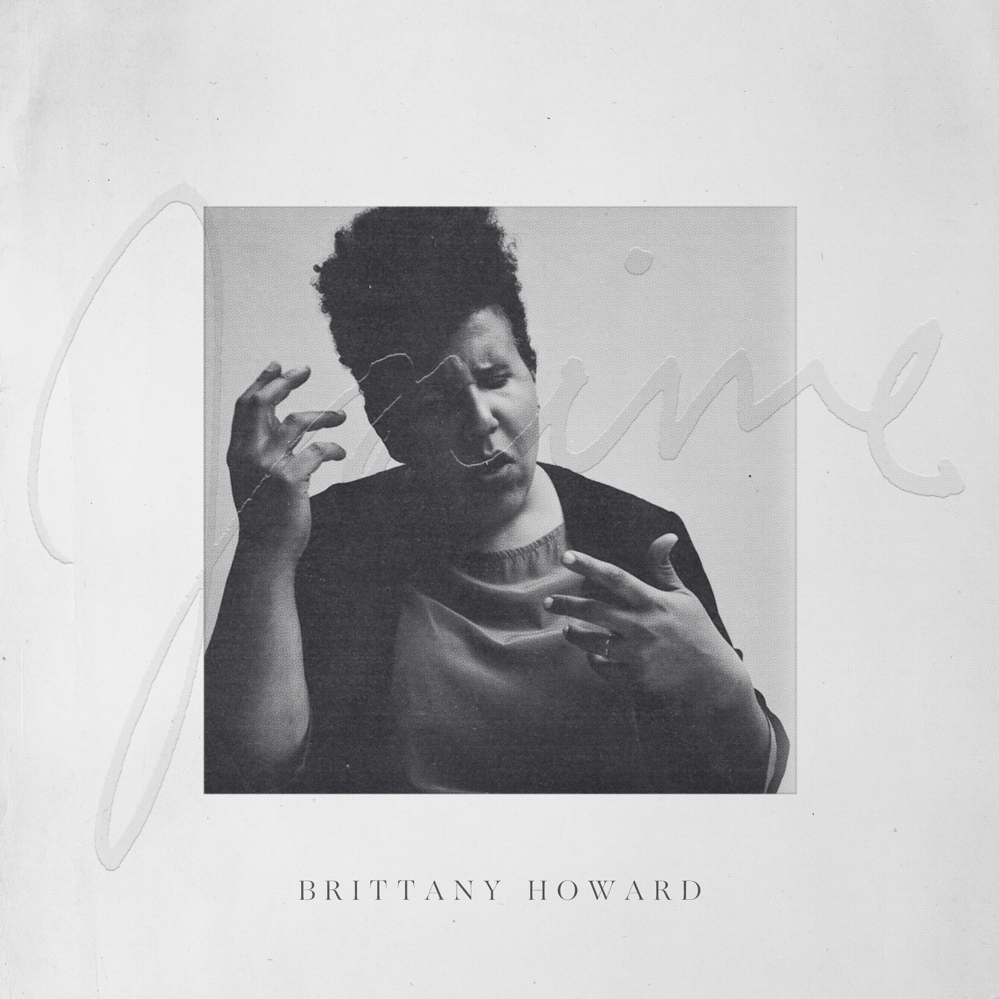
 View Artist