Song Meaning
The lyrics paint a stark picture of a life steeped in darkness and struggle, immediately establishing a somber tone with the repeated phrase "मोरे लहू का रंग कारा" (My blood's color is black). This isn't just a statement of mood; it suggests a deep-seated, perhaps inherited, condition of suffering or misfortune that defines the narrator's existence. The imagery of "कारे बदरवा" (dark clouds) and "कारे भुजंगा" (black snakes) swirling in the mind and dreams amplifies this pervasive sense of dread and poison, as if an internal darkness is actively corrupting their inner world.
The central tension arises from the inescapable nature of this dark fate, described as a curse "माथे मंढ़ा कोई श्राप है जीवन" (a curse is placed upon life). The lyrics present a grim universality, stating that "हर प्राण का ही लक्ष्य है मरण" (the goal of every life is death), implying that this struggle and eventual demise are predetermined for all, regardless of status like "राजा हो या रंक" (king or pauper). This fatalistic outlook creates a profound sense of entrapment, where the only perceived path forward is through violent conflict.
The most striking aspect of the craft is the juxtaposition of this passive suffering with an active, aggressive call to action. The narrator acknowledges the "कटित काडंक कपट कलंक" (cut, sharp deceit, stain) of their circumstances, yet the lyrics pivot to a fierce imperative: "जीतना है जो ये रण, कर बैरी का दमन" (If you want to win this battle, suppress the enemy). This demand for violent suppression as the sole means of achieving "छुटकारा" (release) or freedom from this cursed existence is a powerful, albeit bleak, articulation of how deep-seated despair can breed a desire for destructive resolution.
Ultimately, the effectiveness of these lyrics lies in their unflinching portrayal of a life under siege, both internally and externally. The relentless repetition of the central phrase, combined with potent, dark imagery, creates an oppressive atmosphere that makes the subsequent call for violent action feel like a desperate, inevitable response. It’s this raw, almost primal expression of suffering and the brutal logic it engenders that makes the song resonate with a visceral intensity.
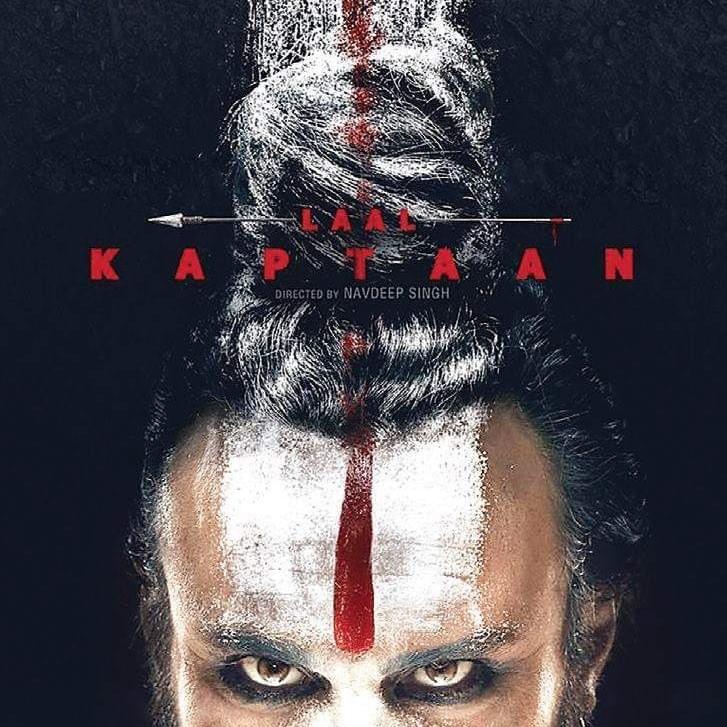
 View Artist