Song Meaning
The lyrics present a stark contrast between outward appearance and inner reality, framed by a series of deliberate unveilings. The narrator repeatedly removes layers – gloves, shoes, clothing – revealing what she expects to be seen as beautiful or at least acceptable: "beaux doigts blancs," "beaux pieds blancs," "corps tout blanc." Each time, she preemptively reassures the audience, "C'était pas du tout dégoutant" (It wasn't disgusting at all), suggesting an awareness of potential judgment.
The central tension ignites when the narrator reveals her heart, which is "noir à l'intérieur" (black inside). This internal darkness elicits a visceral, negative reaction from the observers, who are described as "restés comme deux ronds de flancs" (stayed like two sides of a flank, meaning shocked and disgusted), and the narrator concludes, "qu'c'était dégoutant" (how disgusting it was). This marks a critical turning point, shifting the focus from the physical to the emotional and moral.
The most striking craft element is the inversion of the initial reassurance. The physical revelations were met with a denial of disgust, but the emotional revelation is met with genuine, overwhelming disgust. The repeated actions of undressing are now regretted, leading to a vow to conceal herself: "Je ne me déganterai plus" (I will no longer take off my gloves). The narrator laments her fate, wishing she had a dark body and a serene soul, suggesting a societal preference for a specific kind of outward purity that masks inner turmoil.
This lyrical construction is effective because it plays on expectations of beauty and acceptance. The narrator's initial vulnerability in revealing her physical self is met with a strange kind of approval, but her deeper, emotional truth is met with revulsion. The final lines offer a cynical piece of advice, advising others to avoid revealing their true selves to maintain happiness, highlighting a profound disconnect between societal presentation and authentic being.
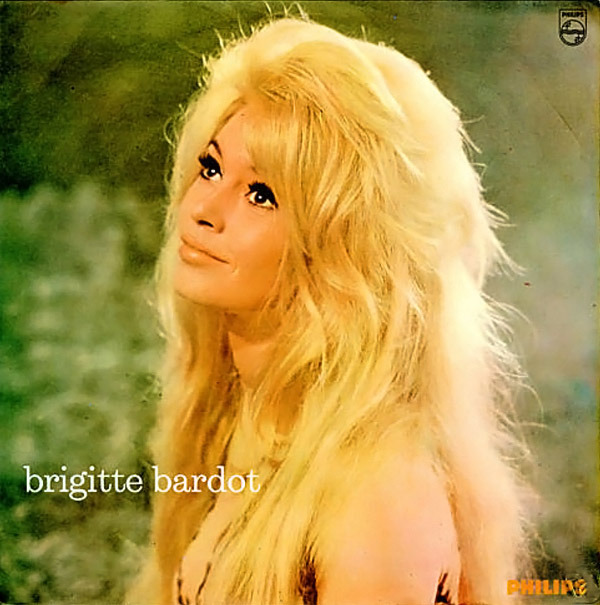
 View Artist