Song Meaning
The lyrics paint a picture of absolute, almost spiritual, liberation found in riding a Harley Davidson. The narrator declares a profound independence, stating "Je n'ai besoin de personne" (I need no one) and "Je n'reconnais plus personne" (I recognize no one) while on the bike. This isn't just about physical travel; it's a detachment from the world and its people, achieved through the raw power of the machine. The motorcycle becomes a vehicle for escaping earthly bounds, suggesting a desire to "quitte la terre" (leave the earth) and potentially ascend, albeit "dans un train d'enfer" (in a hellish train), hinting at a wild, perhaps dangerous, ascent.
The core tension lies in the narrator's fierce devotion to the machine, which seems to outweigh their attachment to life itself. "Je tiens bien moins à la vie / Qu'à mon terrible engin" (I care much less about life / Than my terrible machine) is a stark declaration of this priority. This intense connection is visceral, described as feeling "Les trépidations de ma machine" (the vibrations of my machine) and experiencing "désirs / Dans le creux de mes reins" (desires / In the hollow of my loins). The motorcycle isn't just transportation; it's an object of intense physical and emotional desire.
The repeated refrain, "Je n'ai besoin de personne / En Harley Davidson / Je n'reconnais plus personne / En Harley Davidson," acts as a mantra, reinforcing the feeling of self-sufficiency and isolation that the ride provides. The imagery of speed and recklessness is potent: "Je vais à plus de cent / Et je me sens à feu et à sang" (I go over a hundred / And I feel on fire and blood). This state of being "à feu et à sang" suggests a primal, exhilarating rush that makes the prospect of death, "Les cheveux dans le vent !" (hair in the wind!), seem almost irrelevant, even desirable.
Ultimately, the lyrics resonate because they capture a fantasy of total escape and self-definition through an external object. The Harley Davidson isn't just a motorcycle; it's the embodiment of freedom, power, and a rejection of societal ties. The narrator finds their identity and their most intense feelings not in human connection, but in the raw, untamed experience of riding, embracing a destiny that is tied to the "terrible machine" and the wind in their hair.
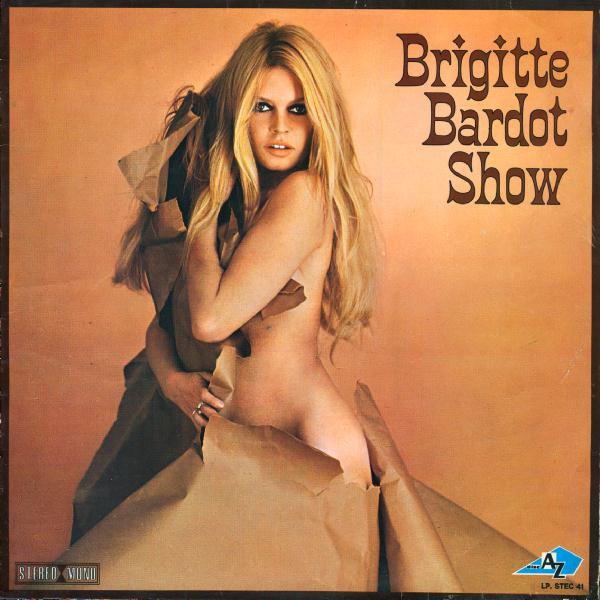
 View Artist