Song Meaning
The lyrics paint a picture of a bittersweet farewell, tinged with nostalgia for a past that feels both distant and intensely present. A kiss goodbye on a train sets a somber mood, immediately contrasting the adult reality of parting with a wife and child against the memory of youthful recklessness. This departure is framed as a "parting gift," a phrase that carries a heavy irony, suggesting that what's given is not necessarily desired or easy. The imagery of a "cloudy day" where the "sky's choked up but it doesn't rain" perfectly captures this suppressed emotional tension, a feeling of unease that never quite breaks into release.
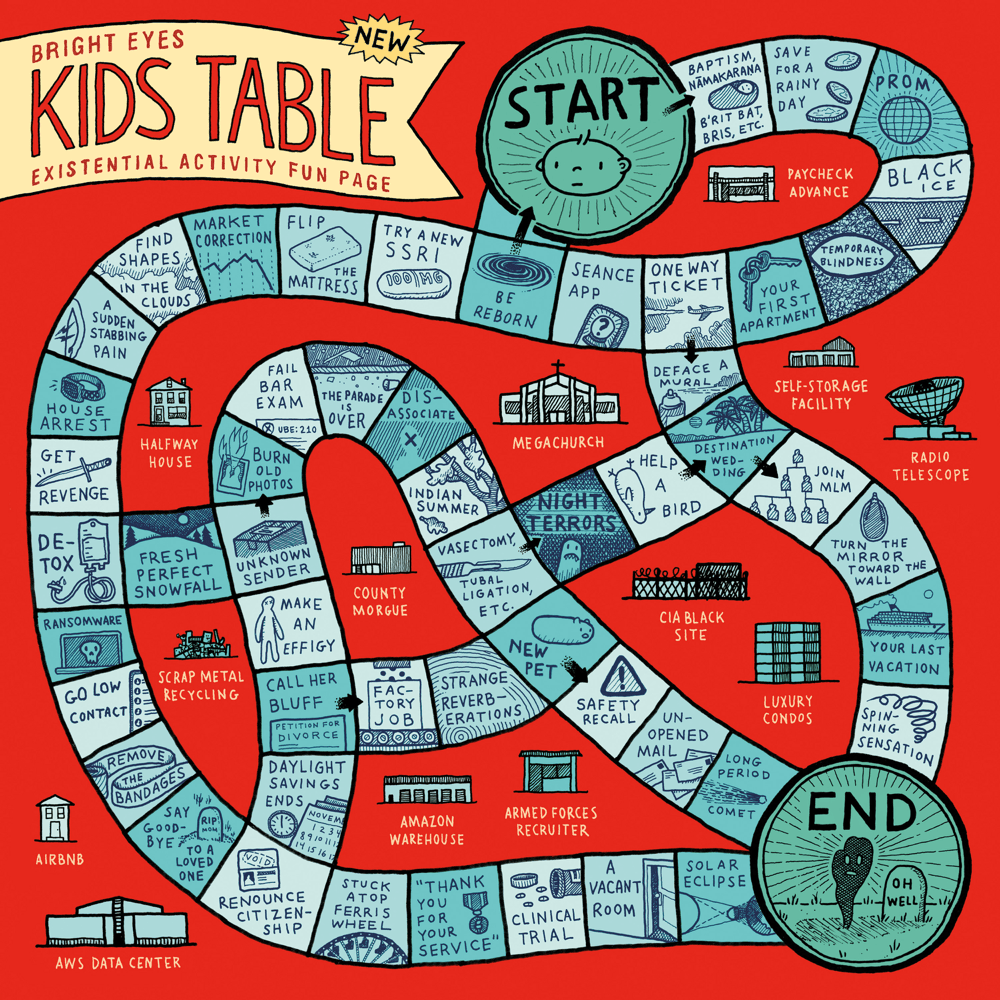
The central tension arises from the narrator's perception of a "better place" that feels more like a gilded cage or a passive existence. The "kids table on a holiday" becomes a potent metaphor for a state of arrested development or forced innocence, where happiness is prescribed and experiences are "acting out your favorite scene on a big flat screen." This contrasts sharply with the implied adult world "watching for eternity," suggesting a detached, perhaps judgmental, observation of this simulated joy. The idea of happiness being something you "can't escape" or "have to taste" further emphasizes a lack of genuine agency.
The writing skillfully employs striking, almost surreal imagery to convey this unease. The "daffodil on a window sill / Withering in the sunshine of free will" is a particularly poignant image, suggesting a beautiful but fragile existence that is slowly fading despite the freedom it supposedly possesses. The juxtaposition of "Camelot" with the mundane "court where the people shop" highlights the fleeting nature of past grandeur and the narrator's own "queen for a day" moment. Later, the "kids table with an empty plate / That I appreciate" offers a final, complex twist, implying a strange gratitude for this lack, perhaps a relief from the pressure of consumption or expectation.
Ultimately, these lyrics resonate because they articulate a profound dissatisfaction with superficial happiness and prescribed roles. The narrator seems to be grappling with the realization that the "better place" is an illusion, a "masterpiece" of manufactured contentment. The craft lies in the consistent use of childlike settings and adult anxieties, creating a disorienting yet deeply felt commentary on modern life's pressures and the search for authentic experience.
 View Artist