Song Meaning
The lyrics paint a picture of a mind adrift, grappling with absence. The initial lines, "Days dissolving through my mind / I feel around / And find you are no longer where you used to be," establish a sense of disorientation and loss. The narrator is searching for a presence that has vanished, a feeling amplified by the "mist of memories" that obscures the present. This isn't just about a physical departure; it's about the way memory can both preserve and distort.
The core tension emerges from the contrast between past hurt and present acceptance. The narrator recalls "blistered words and whispered lies," acknowledging past pain. Yet, the shift is striking: "They're dead and gone / I'm moving on to you." This suggests a deliberate choice to move past the negativity, not necessarily towards a new person, but perhaps towards a new understanding or a more idealized version of the person who caused the pain. The "you" that is "nearer now" and "more real" is the one accepted, not the one who inflicted wounds.
The most compelling aspect is the transformation of absence into presence. The narrator states, "Images of you appear / And though you lead today / It seems you're nearer now / More real, you are part of me." This is a profound internal shift. The person who is physically gone is now perceived as more intimately connected, integrated into the narrator's being. The act of "counting days and keep their songs" becomes a way of cherishing what remains, while the offer to "accept the love you offer to surround me with / And anything you ask of me / I'll give" signifies a complete surrender to this internalized, perhaps idealized, connection.
This lyrical arc is effective because it captures the complex process of processing loss and betrayal. It moves from a place of searching and disorientation to one of profound internal integration and acceptance. The power lies in the narrator's agency to redefine their relationship with the past, finding a form of presence and connection even in absence. The final lines suggest a willingness to embrace a transformed, perhaps imagined, bond, making the internal landscape the primary site of this relationship's continuation.
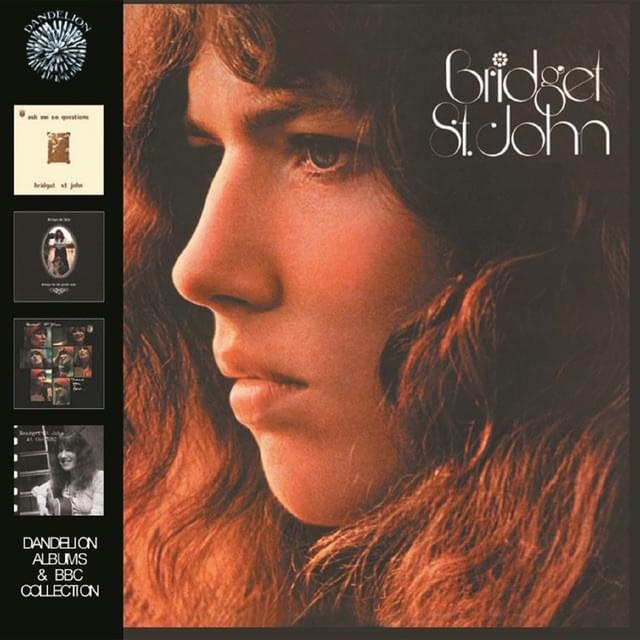
 View Artist