Song Meaning
The lyrics paint a picture of a deliberate, unhurried existence, starting with a striking image of bare feet on a sun-drenched, cracked pavement. This initial scene sets a tone of sensory immersion and a gentle defiance of the mundane, even as a pigeon disrupts the narrator's "haven." The repetition of "barefooting 'round a city" and "bare feet getting dirt pretty" grounds the feeling in a physical, almost childlike connection to the urban environment, suggesting a rejection of conventional footwear and societal expectations.
The central tension seems to lie between an outward appearance of idleness or even messiness – "getting dirt pretty" – and an internal declaration of contentment and self-possession. The repeated phrase "Living my life, loving my life / It's easy" acts as a mantra, a counterpoint to the potential judgment implied by "People may stare." This isn't about recklessness, but a conscious choice to embrace a slower, more grounded way of being, where the narrator feels "no hurry" and asserts "My life is mine."
The most compelling aspect is the contrast between the initial, slightly unsettling image of the pigeon and the cracked pavement, and the narrator's serene embrace of it. The "swollen shade of sun" that the pigeon "cannot smother" suggests that even minor disturbances or the harshness of the environment can't diminish the narrator's chosen path. This deliberate focus on simple, tactile experiences – the heat of the pavement, the dirt on the feet – creates a powerful sense of present-moment awareness.
Ultimately, the effectiveness of these lyrics comes from their quiet insistence on personal freedom and a non-conformist pace. The simple, declarative statements about living and loving life, coupled with the grounding imagery of bare feet, create a mood that is both defiant and deeply peaceful. It's a reminder that ease and fulfillment can be found not in grand achievements, but in a mindful, unburdened connection to one's immediate surroundings and choices.
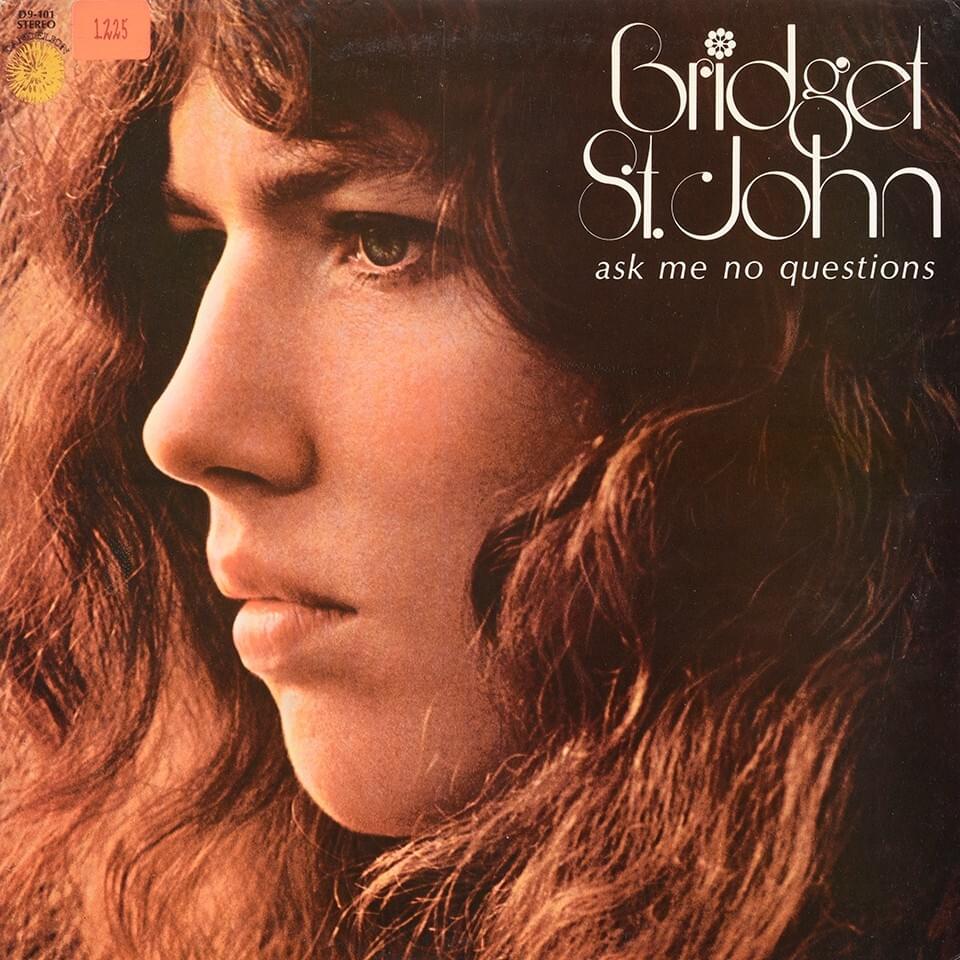
 View Artist